traitement de l’addiction au cannabis Addiction: Separating Fact from Fiction
Cannabis is the most widely consumed illegal substance in Europe, and its growing social acceptance — fuelled by decriminalisation debates and medical cannabis programmes — has created a dangerous misconception: that it is completely harmless. The truth is far more complex. Cannabis addiction, clinically known as Cannabis Use Disorder (CUD), is a recognised medical condition that affects millions of people worldwide, disrupting lives, damaging mental health, and requiring professional treatment. In this article, we dismantle the most persistent myths and expose the realities of cannabis dependency.
What Is Cannabis Addiction?
Cannabis addiction occurs when a person compulsively seeks and uses cannabis despite experiencing significant negative consequences. According to the Diagnostic and Statistical Manual of Mental Disorders (DSM-5), Cannabis Use Disorder is diagnosed when an individual meets at least two of eleven specific criteria within a 12-month period, including tolerance, withdrawal, and inability to cut down use.
Approximately 9% of people who try cannabis will develop a dependency, and that figure rises sharply to around 17% among those who begin using in adolescence, and as high as 50% among daily users. These are not trivial numbers — they represent real people whose lives are increasingly controlled by a substance many consider benign.
Common Myths About Cannabis — And the Truth Behind Them
Myth 1: “Cannabis Is Not Addictive”
This is perhaps the most damaging myth in circulation. While cannabis may not produce the same dramatic physical dependency as heroin or alcohol addiction treatment, psychological addiction is very real and very debilitating. Regular use alters the brain’s endocannabinoid system, a network of receptors involved in mood regulation, memory, and reward. Over time, the brain reduces its own natural cannabinoid production and becomes reliant on external THC to feel normal. Stopping suddenly causes genuine cannabis withdrawal symptoms including anxiety, irritability, insomnia, loss of appetite, and depression.
Myth 2: “Modern Cannabis Is the Same as It Was Decades Ago”
Today’s cannabis is dramatically more potent than the plant used in previous generations. The average THC (tetrahydrocannabinol) concentration in street cannabis has increased from around 4% in the 1990s to over 12–15% today, with some concentrated products such as wax, shatter, and oils reaching 80–90% THC. Higher potency means faster tolerance development, greater risk of dependency, and a significantly elevated risk of cannabis-induced psychosis.
Myth 3: “You Can’t Overdose on Cannabis”
While a lethal overdose from cannabis alone is extremely rare, a cannabis overdose — medically termed acute cannabis intoxication — is a documented clinical emergency. Symptoms include severe panic attacks, paranoia, hallucinations, rapid heart rate, vomiting, and in serious cases, temporary psychosis. Emergency room visits related to cannabis toxicity have risen sharply in countries where the substance has been legalised or decriminalised.
Myth 4: “Cannabis Helps Mental Health”
This is a particularly dangerous myth. While some specific cannabinoids (such as CBD under medical supervision) are being researched for therapeutic applications, recreational cannabis use — especially heavy, long-term use — is strongly associated with worsening mental health outcomes. Research consistently links cannabis use to an increased risk of anxiety disorders, depression, and schizophrenia spectrum disorders. Individuals with a genetic predisposition to psychosis are especially vulnerable. Self-medicating with cannabis for mental health symptoms almost always worsens the underlying condition over time.
Myth 5: “Quitting Cannabis Is Easy — Just Stop”
If stopping cannabis use were truly easy, Cannabis Use Disorder would not be one of the primary reasons people seek drug treatment across Europe. Many people attempt to quit multiple times before succeeding. Cannabis withdrawal syndrome — officially recognised in the DSM-5 — can include intense cravings, mood swings, sleep disturbances, night sweats, and significant psychological distress lasting weeks. Without professional support, relapse rates are extremely high.
The Real Dangers of Long-Term Cannabis Use
Impact on Brain Development
The human brain continues developing until approximately age 25. Cannabis use during adolescence and young adulthood has been shown to cause lasting structural and functional changes to the brain, particularly in regions responsible for memory, attention, and executive function. Studies have found measurable reductions in IQ and cognitive performance among individuals who used cannabis heavily during their teenage years.
Respiratory and Cardiovascular Harm
Smoking cannabis exposes the lungs to many of the same harmful compounds as tobacco smoke. Regular cannabis smokers are at increased risk of chronic bronchitis, respiratory infections, and lung damage. Additionally, cannabis use is associated with a significantly elevated risk of heart attack in the hours following use, particularly in individuals with pre-existing cardiovascular conditions.
Social and Occupational Consequences
Amotivational syndrome — a state of chronic apathy, reduced drive, and disengagement from life responsibilities — is a well-documented consequence of long-term heavy cannabis use. This can manifest as declining academic performance, job loss, relationship breakdown, and social isolation. Financial difficulties often follow, and in some cases, legal problems arise from continued acquisition of the substance.
Gateway to Poly-Drug Use
While not every cannabis user progresses to harder substances, cannabis dependency significantly increases the statistical likelihood of poly-substance use. Many individuals in treatment for cocaine addiction treatment, heroin, or traitement de l’addiction aux stimulants addiction report that cannabis was their first substance of regular use. The reward pathways sensitised by cannabis use can lower the threshold for experimenting with more dangerous drugs.
Who Is Most at Risk of Cannabis Addiction?
Certain factors significantly increase the probability of developing Cannabis Use Disorder:
- Early onset of use — starting before the age of 16 dramatically increases addiction risk
- Family history of addiction — genetic predisposition plays a significant role
- Pre-existing mental health conditions — anxiety, depression, ADHD, and trauma increase vulnerability
- Daily or near-daily use — frequency of use is one of the strongest predictors of dependency
- Use of high-potency products — concentrates and high-THC strains accelerate tolerance and dependency
- Social environment — peer groups that normalise heavy cannabis use increase exposure and risk
Recognising the Signs of Cannabis Addiction
Identifying a cannabis problem — in yourself or someone you love — is an important first step. Warning signs include:
- Using cannabis first thing in the morning or throughout the day
- Feeling unable to relax, sleep, or function without cannabis
- Spending significant money on cannabis despite financial strain
- Withdrawing from social activities, hobbies, or responsibilities
- Failed attempts to cut back or stop use
- Experiencing withdrawal symptoms when not using
- Continuing to use despite negative consequences to health, relationships, or work
Professional Treatment for Cannabis Addiction
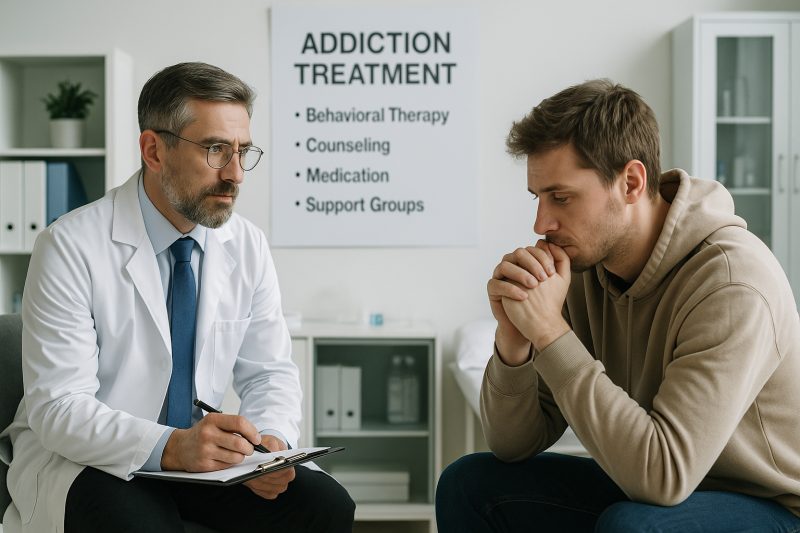
The good news is that Cannabis Use Disorder is treatable, and effective, evidence-based therapies exist. Professional treatment programmes typically include:
- Cognitive Behavioural Therapy (CBT) — helps individuals identify triggers, change thought patterns, and develop coping strategies
- Motivational Enhancement Therapy (MET) — builds intrinsic motivation for change
- Contingency Management — uses structured incentives to reinforce abstinence
- Dual Diagnosis Treatment — addresses co-occurring mental health disorders alongside addiction
- Residential rehabilitation — provides a structured, cannabis-free environment for intensive recovery
- Support groups — peer-led programmes such as Marijuana Anonymous offer community and accountability
At European Addiction Centers (EAC), we connect individuals and families with accredited treatment centres across Europe that specialise in cannabis dependency. Recovery is possible — but it is significantly more successful when guided by qualified professionals rather than attempted alone.
Frequently Asked Questions About Cannabis Addiction
Is cannabis truly addictive, or is it just a habit?
Cannabis is genuinely addictive for a significant proportion of users. Cannabis Use Disorder is a medically recognised condition characterised by compulsive use, tolerance, withdrawal, and loss of control. It is not simply a “bad habit” and should be treated with the same seriousness as other substance use disorders.
What are the symptoms of cannabis withdrawal?
Cannabis withdrawal symptoms include irritability, anxiety, depression, insomnia, vivid nightmares, loss of appetite, nausea, sweating, and intense cravings. These symptoms typically begin within 24–72 hours of stopping and can last two to four weeks, making professional support during this period very beneficial.
How long does it take to become addicted to cannabis?
There is no fixed timeline, as individual factors vary. However, daily use over a period of weeks to months significantly increases the likelihood of developing dependency. Adolescents and individuals with underlying mental health conditions may develop Cannabis Use Disorder more rapidly.
Can cannabis use cause permanent mental health damage?
Heavy, long-term cannabis use — particularly beginning in adolescence — is associated with lasting cognitive deficits, increased risk of psychotic disorders, and worsening of pre-existing mental health conditions. While some effects may improve with abstinence, others, particularly those related to brain development, can be long-lasting.
Does medical cannabis cause addiction?
Medical cannabis, used under strict medical supervision, carries a lower risk of misuse than recreational cannabis. However, it still contains psychoactive compounds and can lead to dependency in vulnerable individuals. Any use of cannabis-based medicines should be carefully monitored by a qualified healthcare professional.
Is cannabis a gateway drug?
While most cannabis users do not progress to harder drugs, research shows that cannabis use — particularly heavy early use — is statistically associated with an increased likelihood of poly-substance use. The neurobiological changes caused by cannabis can lower the threshold for experimenting with other substances.
Can someone recover from cannabis addiction without professional help?
Some individuals with mild Cannabis Use Disorder manage to reduce or stop use independently. However, for moderate to severe dependency, professional treatment significantly improves outcomes and reduces relapse rates. Attempting to quit alone, especially when experiencing withdrawal symptoms or co-occurring mental health issues, is far more difficult and less successful.
How is cannabis addiction diagnosed?
Cannabis addiction is diagnosed by a qualified clinician using criteria from the DSM-5. The diagnosis of Cannabis Use Disorder requires at least two of eleven defined criteria to be present within a 12-month period, covering aspects such as tolerance, withdrawal, failed attempts to cut down, and continued use despite harm.
What should I do if I think a family member is addicted to cannabis?
Express your concern calmly and without judgment. Avoid enabling continued use, and encourage them to seek professional assessment. Contacting an addiction treatment centre or helpline — such as those accessible through European Addiction Centers — can help you understand the next steps and how to support your loved one effectively.
Are there medications to treat cannabis addiction?
Currently, there are no FDA or EMA-approved medications specifically for Cannabis Use Disorder. However, some medications may be prescribed to manage specific withdrawal symptoms such as sleep disturbance, anxiety, or depression. Pharmacological support is typically used alongside psychotherapy for best results.
Is cannabis addiction more dangerous for teenagers than adults?
Yes. Adolescents are significantly more vulnerable to the harms of cannabis because their brains are still developing. Teen cannabis users face higher risks of cognitive impairment, academic failure, mental health disorders, and rapid development of dependency. Early intervention is critical for young people showing signs of problematic cannabis use.





Leave A Comment