

Understanding alcohol addiction treatment Addiction: A Growing Public Health Crisis
Alcohol is one of the most widely consumed substances in the world, and yet it remains one of the most destructive. Alcohol addiction, clinically known as Alcohol Use Disorder (AUD), is a chronic, progressive disease that affects millions of people across Europe and worldwide. Despite being socially accepted in many cultures, excessive and compulsive alcohol consumption causes devastating physical, psychological, and social consequences. Recognizing the symptoms early and seeking professional treatment is not just recommended — it is essential for survival and recovery.
What Is Alcohol Addiction?
Alcohol addiction is defined as a compulsive, uncontrollable need to consume alcohol despite being fully aware of its negative consequences. Unlike casual or moderate drinking, addiction involves a loss of control over consumption, a growing physical and psychological dependence, and a complete reorganization of a person’s daily life around alcohol.
According to the World Health Organization (WHO), alcohol is responsible for approximately 3 million deaths per year globally — representing about 5.3% of all deaths. In Europe, alcohol-related harm is even more pronounced, with the continent recording some of the highest per-capita consumption rates in the world. This makes alcohol addiction not just a personal problem, but a serious public health emergency.
Warning Signs and Symptoms of Alcohol Addiction
Identifying the symptoms of alcohol use disorder is the critical first step toward seeking help. These symptoms often develop gradually, making it easy for individuals and their loved ones to dismiss early warning signs as social drinking habits.
Physical Symptoms
- Increased tolerance: Needing more alcohol to achieve the same effect as before
- Withdrawal symptoms: Experiencing tremors, sweating, nausea, or anxiety when not drinking
- Persistent headaches and fatigue
- Unexplained weight loss or poor appetite
- Redness of the face, broken capillaries, or jaundice (yellowing of the skin)
- Frequent blackouts or memory lapses after drinking
Psychological and Behavioral Symptoms
- Inability to stop or limit drinking despite repeated attempts
- Spending excessive time obtaining, consuming, or recovering from alcohol
- Drinking in secret or lying about the amount consumed
- Neglecting responsibilities at work, home, or school
- Continuing to drink despite damaged relationships
- Using alcohol to cope with stress, anxiety, or emotional pain
- Irritability, mood swings, or depressive episodes linked to drinking patterns
If you recognize several of these signs in yourself or someone you love, it is crucial to seek professional evaluation immediately. Alcohol addiction does not resolve on its own — it progresses and worsens over time without proper intervention.
The Dangerous Consequences of Alcohol Addiction
The damage caused by long-term alcohol abuse extends far beyond the individual. It destroys health, families, careers, and communities. Understanding the full scope of these consequences is vital in motivating action.
Physical Health Consequences
- Liver disease: Including alcoholic hepatitis, cirrhosis, and liver failure — one of the leading causes of death among people with AUD
- Cardiovascular disease: Hypertension, irregular heartbeat, cardiomyopathy, and increased risk of stroke
- Pancreatitis: Dangerous inflammation of the pancreas that can become chronic and life-threatening
- Cancer: Alcohol is a Group 1 carcinogen linked to cancers of the mouth, throat, esophagus, liver, colon, and breast
- Neurological damage: Including Wernicke-Korsakoff syndrome, peripheral neuropathy, and cognitive decline
- Weakened immune system, making the body vulnerable to infections
- Hormonal disruption and sexual dysfunction
Mental Health Consequences
- Development or worsening of depression and anxiety disorders
- Increased risk of suicide — people with AUD are up to 10 times more likely to die by suicide
- Alcohol-induced psychosis: Hallucinations and paranoid delusions
- Severe cognitive impairment and memory loss
Social and Economic Consequences
- Breakdown of family relationships and increase in domestic violence
- Job loss, financial instability, and poverty
- Legal problems, including DUI offenses and criminal behavior
- Social isolation and abandonment of personal interests
- Negative impact on children raised in homes where alcohol addiction is present
Alcohol Withdrawal: A Medical Emergency
One of the most dangerous aspects of alcohol addiction is the withdrawal process. Unlike many other substances, alcohol withdrawal can be life-threatening. When a person who is physically dependent on alcohol suddenly stops drinking, they may experience:
- Severe tremors and agitation
- Hallucinations (visual, auditory, or tactile)
- Delirium tremens (DTs): A severe withdrawal syndrome involving extreme confusion, seizures, high fever, and cardiovascular instability
Delirium tremens has a mortality rate of up to 5-15% if left untreated. This is why medically supervised alcohol detoxification is absolutely necessary and should never be attempted alone at home.
Treatment Options for Alcohol Addiction
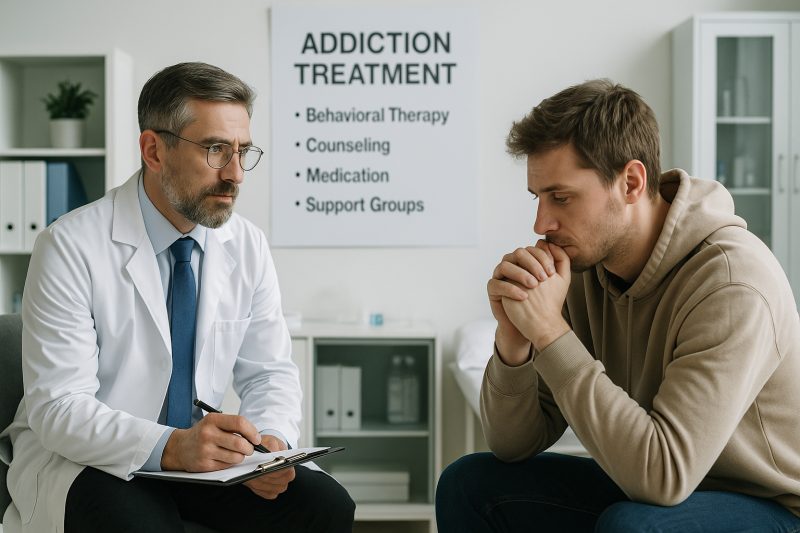
The good news is that alcohol addiction is treatable. Recovery is possible with the right combination of medical care, psychological support, and long-term follow-up. Treatment plans are individualized and may include several phases and modalities.
1. Medical Detoxification
Detox is the first and most critical phase of treatment. Under medical supervision, the patient safely eliminates alcohol from the body while managing withdrawal symptoms. Medications such as benzodiazepines (e.g., diazepam) are commonly used to prevent seizures and reduce discomfort. This phase typically lasts between 5 and 10 days.
2. Inpatient Rehabilitation Programs
Residential treatment offers an immersive, structured environment away from triggers and enabling situations. Patients receive 24-hour medical care, group and individual therapy, nutritional support, and relapse prevention education. Programs typically last between 28 days and several months, depending on severity.
3. Outpatient Treatment Programs
For patients with less severe addiction or strong social support systems, outpatient programs allow treatment while maintaining daily responsibilities. These include regular therapy sessions, medical check-ins, and participation in support groups.
4. Pharmacological Treatments
Several medications are approved to support long-term recovery from alcohol addiction:
- Naltrexone: Reduces cravings and the rewarding effects of alcohol
- Acamprosate: Helps restore brain chemistry and reduce withdrawal-related discomfort
- Disulfiram (Antabuse): Creates unpleasant physical reactions when alcohol is consumed, acting as a deterrent
5. Psychological Therapies
Therapy is the backbone of sustainable recovery. Evidence-based approaches include:
- Cognitive Behavioral Therapy (CBT): Identifies and changes thought patterns that drive drinking behavior
- Motivational Interviewing (MI): Strengthens the patient’s internal motivation to change
- Family therapy: Addresses relational dynamics and helps rebuild family trust
- Trauma-focused therapy: Many individuals with AUD have underlying trauma that must be addressed
6. Support Groups and Aftercare
Long-term recovery requires ongoing support. Programs like Alcoholics Anonymous (AA), SMART Recovery, and other community-based groups provide peer support, accountability, and a sense of belonging. Aftercare planning is essential to prevent relapse.
Seeking Help Through European Addiction Centers
If you or a loved one is struggling with alcohol addiction, you do not have to face it alone. European Addiction Centers (EAC) connects patients with accredited, specialized addiction treatment centers across Europe. Our network of professionals offers confidential assessments, personalized treatment plans, and compassionate care. The path to recovery begins with a single step — and that step is asking for help. Contact EAC today to find the right treatment center for your needs.
Frequently Asked Questions About Alcohol Addiction
1. What is the difference between alcohol abuse and alcohol addiction?
Alcohol abuse refers to a pattern of harmful drinking that causes problems but does not necessarily involve physical dependence. Alcohol addiction (AUD) is a more severe condition involving both physical and psychological dependence, loss of control, and compulsive use despite serious negative consequences.
2. Can alcohol addiction be cured?
Alcohol addiction is considered a chronic disease, meaning there is no definitive “cure,” but it can be effectively managed. With proper treatment, many individuals achieve long-term sobriety and lead healthy, fulfilling lives. Ongoing support and relapse prevention strategies are key components of sustained recovery.
3. How dangerous is quitting alcohol cold turkey?
Quitting alcohol abruptly without medical supervision can be life-threatening. Severe withdrawal symptoms, including delirium tremens and seizures, can occur within hours of the last drink. Medical detoxification in a professional setting is strongly recommended for anyone with physical alcohol dependence.
4. What are the first signs that someone is becoming addicted to alcohol?
Early warning signs include increased tolerance (needing more alcohol to feel the same effect), drinking alone or in secret, using alcohol to manage emotions, feeling irritable or anxious when not drinking, and neglecting personal or professional responsibilities due to drinking habits.
5. How long does alcohol addiction treatment take?
Treatment duration varies depending on the severity of the addiction and individual needs. Detox typically lasts 5–10 days, while residential rehabilitation programs range from 28 days to 6 months. Long-term outpatient support and aftercare may continue for one year or more to ensure lasting recovery.
6. Is alcohol addiction hereditary?
Yes, research shows that genetics play a significant role in the development of alcohol use disorder. Having a parent or close relative with AUD increases a person’s risk. However, environmental factors, trauma, and mental health also contribute significantly to addiction development.
7. What medications are used to treat alcohol addiction?
Approved medications include naltrexone (reduces cravings), acamprosate (supports brain recovery), and disulfiram (deters drinking by causing unpleasant reactions). These medications are most effective when combined with therapy and professional supervision.
8. Can alcohol addiction cause permanent brain damage?
Yes. Long-term heavy alcohol use can cause permanent neurological damage, including Wernicke-Korsakoff syndrome, memory loss, reduced cognitive function, and structural changes to the brain. Early intervention significantly reduces the risk of irreversible damage.
9. How can I help a family member who is addicted to alcohol?
Supporting a loved one with alcohol addiction requires compassion, firm boundaries, and professional guidance. Avoid enabling behaviors such as covering up for them or minimizing the problem. Consider speaking with an addiction specialist, participating in family therapy, or attending support groups like Al-Anon, which is designed specifically for families of people with AUD.
10. What happens during an inpatient alcohol rehab program?
Inpatient rehab provides a structured, safe environment where patients undergo medical detox, receive individual and group therapy, participate in educational workshops, and develop relapse prevention strategies. They are supported 24/7 by medical and mental health professionals. The goal is to address both the physical dependency and the psychological root causes of addiction.
11. Is it possible to recover from alcohol addiction after many years of drinking?
Absolutely. Recovery is possible at any stage of alcohol addiction, regardless of how long the person has been drinking. While long-term drinking may cause more severe health complications, many people achieve full sobriety and significantly improved health and quality of life with appropriate, evidence-based treatment and sustained support.






Leave A Comment