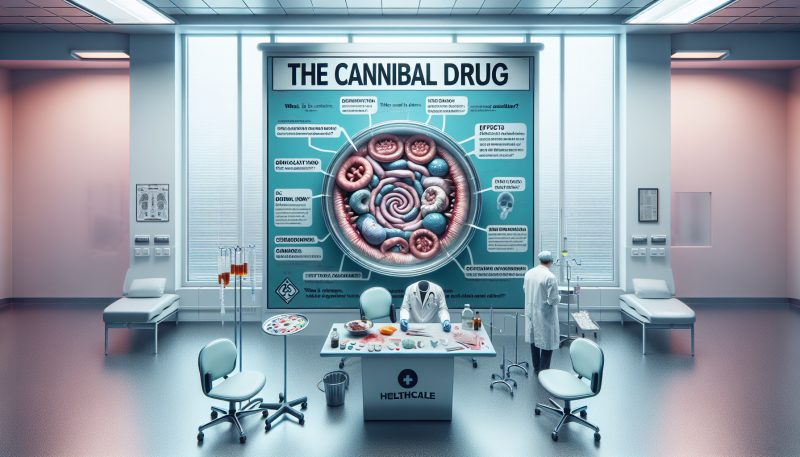
What Is the “Cannibal Drug”?
The term “cannibal drug” has become one of the most alarming phrases in modern addiction medicine. It primarily refers to flakka (alpha-PVP), a powerful synthetic stimulant belonging to the cathinone family — the same chemical class as bath salts. In some contexts, the term also refers to krokodil, a flesh-destroying injectable drug. Both substances have earned their terrifying nickname through the catastrophic physical and psychological damage they inflict on users. Understanding what this drug is, how it works, and why it is so dangerous is essential for patients, families, and healthcare professionals alike.
The Origins and Chemical Composition of Flakka
Flakka, also known by its chemical name alpha-pyrrolidinopentiophenone (alpha-PVP), is a synthetic cathinone manufactured in clandestine laboratories, predominantly in China, before being distributed globally. It is classified as a Schedule I controlled substance in many countries due to its extreme abuse potential and lack of accepted medical use. The drug typically appears as white or pink crystals and can be smoked, snorted, injected, or swallowed. Its close chemical relationship to amphetamines and MDMA explains its potent stimulant and psychoactive properties, yet its effects are far more unpredictable and devastating.
Why Is It Called the Cannibal Drug?
The “cannibal drug” label gained worldwide attention following a series of shocking incidents in which individuals under the influence of flakka or bath salts committed acts of extreme violence — including biting, attacking, and mutilating other people. A particularly horrific case in 2012 in Miami, Florida, where a man violently attacked another person and consumed his flesh, brought global media attention to these substances. While toxicological reports in some cases indicated other substances were involved, the incidents cemented the terrifying reputation of synthetic cathinones as agents capable of inducing psychotic cannibalistic behaviour.
The Devastating Physical Effects of the Cannibal Drug
The physical consequences of using flakka or related cannibal drugs are severe, rapid in onset, and frequently life-threatening. Unlike many other substances where harm accumulates over time, these drugs can cause irreversible damage after just a single use.
Immediate Physical Effects
- Extreme hyperthermia — body temperature can spike to dangerous levels exceeding 40°C (104°F), a condition known as excited delirium syndrome
- Severe tachycardia — dangerously elevated heart rate that risks cardiac arrest
- Hypertension — extreme blood pressure surges that can trigger strokes
- Muscle breakdown (rhabdomyolysis) — the destruction of muscle tissue that leads to acute kidney failure
- Violent convulsions and seizures
- Loss of motor control and uncontrolled physical agitation
- Respiratory depression in high doses, potentially causing death
The Flesh-Destroying Effect: Krokodil
The nickname “cannibal drug” also applies to krokodil (desomorphine), a homemade opioid addiction treatment substitute that literally consumes the user’s body from the inside out. Synthesised from codeine addiction treatment mixed with toxic industrial chemicals including paint thinner, hydrochloric acid, and red phosphorus, krokodil causes the skin and underlying tissue around injection sites to turn green and scaly — resembling crocodile skin — before rotting away entirely. Gangrene, bone exposure, and limb amputation are common outcomes. The drug earned its cannibal label because it quite literally eats the flesh of those who use it.
Catastrophic Psychological and Neurological Effects
Beyond the physical destruction, the psychological impact of the cannibal drug is equally terrifying. These substances disrupt the brain’s chemistry in ways that can produce permanent neurological damage.
- Acute psychosis — users experience vivid, terrifying hallucinations indistinguishable from reality
- Paranoid delusions — intense, irrational fears including beliefs of being hunted or possessed
- Superhuman agitation and aggression — users become extraordinarily difficult to restrain, often requiring multiple law enforcement officers
- Dissociation from reality — complete disconnection from one’s surroundings and sense of self
- Suicidal ideation and self-harm during or after intoxication
- Persistent psychotic episodes that may continue long after the drug leaves the system
- Severe cognitive impairment affecting memory, decision-making, and emotional regulation
The Brain on Flakka: A Neurochemical Disaster
Flakka works by flooding the brain with dopamine and serotonin while simultaneously blocking their reuptake — a dual mechanism that overwhelms the brain’s reward and emotional regulation systems. This creates an intense but brutally short euphoria followed by a catastrophic crash. With repeated use, the brain’s natural ability to produce and regulate these neurotransmitters becomes severely compromised, establishing a cycle of compulsive drug-seeking behaviour that defines addiction.
The Extreme Addiction Potential of the Cannibal Drug
Addiction to synthetic cathinones like flakka can develop extraordinarily quickly — sometimes after just a handful of uses. The drug’s intense but brief euphoria drives users to redose compulsively, rapidly building tolerance and physical dependence. The withdrawal process is agonising, characterised by profound depression, extreme fatigue, anxiety, and intense cravings that make self-managed recovery nearly impossible. This is not a substance that individuals can simply “decide to stop” using without structured, professional support.
Who Is Most Vulnerable?
While no demographic is immune, the cannibal drug disproportionately affects young adults, individuals experiencing homelessness, people with pre-existing mental health conditions, and those in socioeconomically deprived communities where cheap, accessible synthetic drugs fill the void left by more expensive substances. Its relatively low cost — sometimes called “a $5 insanity trip” — makes it particularly dangerous in vulnerable populations.
Social and Societal Consequences
The damage caused by cannibal drugs extends far beyond the individual user. Families are devastated as loved ones become unrecognisable due to personality changes, violence, and physical deterioration. Communities face increased rates of violent crime, public health emergencies, and overwhelmed hospital systems. The economic cost of treating users, managing legal consequences, and providing long-term rehabilitation is enormous. These are not victimless substances — their harm radiates outward to everyone in proximity to the user.
Why Professional Treatment Is Essential
Given the extreme physiological and psychological damage caused by the cannibal drug, professional addiction treatment is not optional — it is life-saving. Attempting to detox from synthetic cathinones without medical supervision is extremely dangerous and often unsuccessful. Effective treatment typically involves:
- Medical detoxification under 24-hour clinical supervision to manage acute withdrawal safely
- Psychiatric evaluation and management to address drug-induced psychosis and underlying mental health conditions
- Cognitive Behavioural Therapy (CBT) to restructure addictive thought patterns
- Dual diagnosis treatment for co-occurring mental health disorders
- Long-term residential rehabilitation to rebuild life skills and prevent relapse
- Family therapy and support programmes to repair relationships damaged by addiction
- Aftercare and relapse prevention planning to sustain long-term recovery
At European Addiction Centers (EAC), we connect individuals and families with accredited, evidence-based treatment facilities across Europe. Recovery from even the most severe synthetic drug addiction is possible with the right professional support. If you or someone you love is struggling, do not wait — reach out today.
Frequently Asked Questions About the Cannibal Drug
1. What exactly is the cannibal drug?
The “cannibal drug” most commonly refers to flakka (alpha-PVP), a synthetic cathinone stimulant capable of inducing violent psychosis and extreme physical harm. The term also applies to krokodil (desomorphine), a homemade opioid that destroys skin and tissue at injection sites.
2. Why is flakka called the cannibal drug?
Flakka earned its nickname following widely reported incidents in which individuals under its influence committed acts of extreme violence, including biting and attacking others. The drug-induced psychosis and superhuman aggression it produces were linked to these horrifying behaviours.
3. How dangerous is a single use of flakka?
Extremely dangerous. A single use of flakka can cause acute psychosis, cardiac arrest, hyperthermia, stroke, kidney failure, or death. There is no safe dose of this substance.
4. Is the cannibal drug addictive?
Yes, highly so. Addiction can develop rapidly — sometimes after only a few uses — due to the drug’s powerful effect on the brain’s dopamine system. Compulsive use, tolerance, and withdrawal are all common outcomes.
5. What are the signs that someone is using flakka or bath salts?
Warning signs include extreme agitation, paranoia, violent behaviour, hallucinations, profuse sweating, elevated heart rate, and incoherent speech. Physical signs may include skin picking, unusual strength, and inability to communicate rationally.
6. Can the psychological damage from the cannibal drug be reversed?
Some psychological effects may improve with abstinence and professional psychiatric care, but severe or prolonged use can result in lasting cognitive and neurological damage. Early intervention significantly improves outcomes.
7. How does krokodil destroy the body?
Krokodil is mixed with highly toxic industrial chemicals that cause severe tissue necrosis (flesh death) at injection sites. The skin turns scaly and green before rotting away, often exposing bone. Gangrene and limb amputation are common consequences.
8. Is the cannibal drug common in Europe?
Synthetic cathinones including flakka have been detected across Europe, with krokodil primarily reported in Eastern Europe, particularly Russia and Ukraine. European drug monitoring agencies classify these substances as high-priority public health threats.
9. What should I do if I witness someone on the cannibal drug?
Do not approach or attempt to restrain the individual, as this can escalate violence. Call emergency services (112 in Europe) immediately and provide a safe distance. Inform responders that a synthetic stimulant may be involved so appropriate precautions are taken.
10. What treatment options are available for cannibal drug addiction?
Treatment includes medical detoxification, psychiatric care, residential rehabilitation, Cognitive Behavioural Therapy (CBT), dual diagnosis treatment, and long-term aftercare. Specialised facilities across Europe offer these services through platforms like European Addiction Centers (EAC).
11. Can someone recover from cannibal drug addiction?
Yes. While recovery from synthetic cathinone addiction is challenging, it is absolutely achievable with the right professional support. Long-term recovery rates improve significantly when individuals engage with structured, evidence-based residential treatment and ongoing aftercare programmes.
12. How can European Addiction Centers help?
European Addiction Centers (EAC) connects individuals and families with accredited addiction treatment centres across Europe that specialise in complex cases including synthetic drug addiction. Our team can help you find the right level of care quickly, confidentially, and compassionately. Contact us today to begin the journey to recovery.





Leave A Comment