What Is Ibogaine and Why Is It Used in Addiction Treatment?
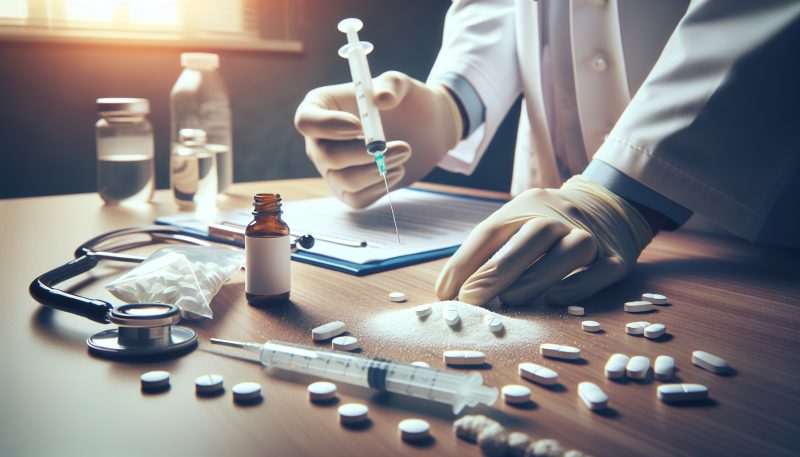
Ibogaine is a naturally occurring psychoactive substance derived from the root bark of the Tabernanthe iboga plant, native to Central Africa. In recent years, it has gained significant attention as a potential treatment for substance use disorders, particularly for individuals struggling with opioid dependence, heroin addiction, and cocaine addiction treatment addiction. Proponents claim that a single high-dose ibogaine session can dramatically reduce or even eliminate withdrawal symptoms and drug cravings almost overnight.
However, behind this seemingly miraculous promise lies a deeply troubling reality. Ibogaine is not a magic cure for addiction. It is a powerful, poorly understood psychoactive compound that carries severe, potentially fatal risks. Its use remains illegal or unregulated in many countries, and the scientific evidence supporting its widespread clinical use is still far from conclusive. Understanding both its purported benefits and its very real dangers is essential for anyone affected by addiction or considering treatment options.
How Does Ibogaine Work in the Brain?
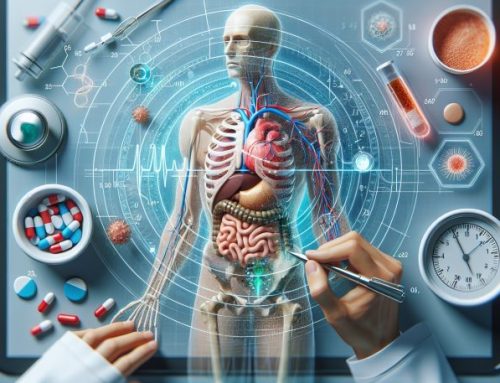
Ibogaine acts on multiple neurological pathways simultaneously, which is part of what makes it so complex — and so dangerous. It interacts with opioid receptors, serotonin transporters, dopamine receptors, and NMDA receptors, among others. This broad pharmacological activity can produce intense, prolonged psychedelic experiences lasting anywhere from 12 to 36 hours, along with significant physiological effects on the heart, nervous system, and brain.
Research suggests that ibogaine may help reset certain neurochemical imbalances caused by chronic drug use, potentially reducing the intensity of opioid withdrawal symptoms and dampening compulsive drug-seeking behavior. Some studies indicate that it may promote neuroplasticity, the brain’s ability to form new neural connections. However, these findings are largely preliminary, based on small sample sizes, and have not yet been validated by large-scale, rigorous clinical trials. The mechanism of action remains only partially understood.
The Serious Dangers and Health Risks of Ibogaine
This is perhaps the most critical section of this article. Ibogaine is associated with a significant number of documented deaths and serious adverse events. Anyone considering this substance — or any treatment provider promoting it — must confront these facts honestly.
Cardiac Toxicity: The Leading Cause of Ibogaine-Related Deaths
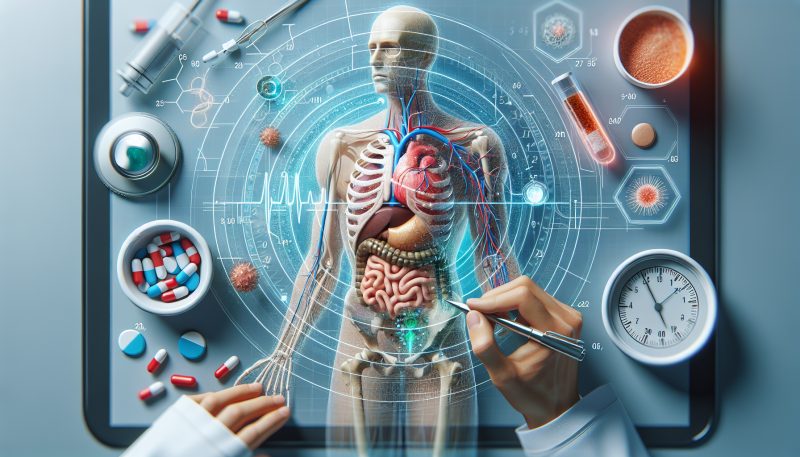
The most serious and well-documented danger of ibogaine is its profound effect on the heart. Ibogaine can cause QT interval prolongation, a potentially lethal disruption of the heart’s electrical rhythm. This can lead to a dangerous arrhythmia known as Torsades de Pointes, which can degenerate into ventricular fibrillation and sudden cardiac death. Individuals with pre-existing heart conditions, electrolyte imbalances, or those taking other medications that affect heart rhythm are at extremely elevated risk. Cardiac complications are the primary cause of ibogaine-related fatalities, which have been reported across multiple countries and clinical settings.
Fatal Drug Interactions
Ibogaine has dangerous interactions with a wide range of substances. Combining ibogaine with opioids, stimulants, traitement de l’addiction aux benzodiazépines, antidepressants (particularly SSRIs and MAOIs), or methadone can be life-threatening. Many people seeking ibogaine treatment are actively using these substances, which dramatically increases the risk of a fatal outcome. Methadone, in particular, has an extremely long half-life and when combined with ibogaine’s cardiac effects, has been implicated in a disproportionate number of deaths.
Neurological Risks and Psychological Dangers
The intense, multi-hour psychedelic experience induced by ibogaine can precipitate or worsen acute psychiatric crises. Individuals with a history of psychosis, bipolar disorder, schizophrenia, or severe trauma face heightened risks of triggering or exacerbating these conditions. Dissociation, intense fear, paranoia, and panic are not uncommon during an ibogaine session. In some cases, prolonged psychosis or lasting psychological damage has been reported following ibogaine use, particularly when administered outside of a clinical setting without proper psychiatric screening.
The Risk of Unregulated and Underground Clinics
Because ibogaine is illegal in many countries — including the United States, the United Kingdom, and most of Europe — many individuals seek treatment in underground settings or travel to countries where its use is less regulated. This exposes them to enormously increased risks, including inadequate medical screening, absence of cardiac monitoring, untrained administrators, and no capacity to respond to medical emergencies. Deaths at unregulated ibogaine retreats have been reported internationally, and these tragic outcomes are often entirely preventable.
Physical Side Effects During Treatment
Even in more controlled settings, ibogaine commonly produces a range of distressing physical side effects, including:
- Severe nausea and vomiting
- Ataxia (loss of coordination and balance)
- Tremors and muscle weakness
- Extreme sensitivity to light and sound
- Respiratory depression in vulnerable individuals
- Hypotension (dangerously low blood pressure)
These effects can last for hours and require continuous medical supervision to manage safely.
Who Is Particularly Vulnerable?
Certain populations face dramatically higher risks from ibogaine. Contraindications include but are not limited to:
- Individuals with any cardiac disease or arrhythmia history
- People with liver disease or hepatic impairment
- Those with a history of psychiatric disorders
- Pregnant or breastfeeding women
- Individuals currently taking QT-prolonging medications
- People actively using methadone or long-acting opioids
- Those with electrolyte imbalances (e.g., low potassium or magnesium)
For these individuals, ibogaine treatment could quite literally be fatal. No reputable addiction specialist would recommend ibogaine without extensive medical evaluation, and many would counsel strongly against it regardless.
The Legal Status of Ibogaine in Europe
In most European countries, ibogaine is either a controlled substance or unregulated in a legal gray area. It is not approved by the European Medicines Agency (EMA) as a medical treatment. Some countries, such as the Netherlands, Portugal, and certain others, permit its use in specific contexts, but this does not equate to medical approval or safety validation. The absence of regulatory approval means there is no standardized dosing protocol, no mandatory safety screening, and no accountability framework for providers — all of which escalate the dangers for patients.
Evidence-Based Alternatives to Ibogaine for Addiction Treatment
The good news is that proven, safe, and effective treatments for addiction exist. People do not need to risk their lives on an unproven substance when established, evidence-based options are available. These include:
- Medication-Assisted Treatment (MAT) with buprenorphine, methadone, or naltrexone for opioid use disorder
- Cognitive Behavioral Therapy (CBT) and other psychotherapeutic approaches
- Residential rehabilitation programs with structured medical detoxification
- Dual diagnosis treatment for co-occurring mental health and addiction disorders
- Motivational Interviewing (MI) and contingency management
- EMDR therapy for trauma underlying addiction
- Long-term aftercare and relapse prevention programs
At European Addiction Centers (EAC), we connect individuals and families with accredited, medically supervised treatment centers across Europe that employ these evidence-based methods. You do not have to gamble with your life or the life of someone you love.
Why Professional Help Is Not Just Recommended — It Is Essential
Addiction is a complex, chronic brain disease that requires comprehensive, individualized treatment. It is never safe to attempt detoxification or addiction treatment without proper medical supervision. Whether someone is battling opioid addiction, alcohol addiction treatment dependence, traitement de l’addiction à la cocaïne use disorder, or any other form of substance use disorder, the physical and psychological risks of unsupervised treatment — including the use of substances like ibogaine outside of clinical settings — can be life-threatening.
Professional addiction treatment centers provide thorough medical assessments, 24/7 monitoring during detox, personalized therapy plans, and long-term support systems that dramatically improve both safety and long-term recovery outcomes. If you or someone you care about is struggling with addiction, please reach out to a qualified addiction specialist today. Help is available, and recovery is possible — without putting your life at unnecessary risk.
Frequently Asked Questions About Ibogaine and Addiction Treatment
1. What is ibogaine used for in addiction treatment?
Ibogaine is a psychoactive substance that some people use in an attempt to treat opioid dependence, heroin addiction, and other substance use disorders. It is claimed to reduce withdrawal symptoms and cravings, but its use carries serious, potentially fatal risks and it is not approved as a medical treatment in most countries.
2. Is ibogaine legal in Europe?
In most European countries, ibogaine is either a controlled substance or exists in a legal gray area. It is not approved by the European Medicines Agency (EMA) as a medical therapy, meaning there is no standardized, regulated clinical framework for its use across the EU.
3. What are the most dangerous risks of ibogaine?
The most serious risk is cardiac toxicity, specifically QT interval prolongation and potentially fatal heart arrhythmias. Other significant risks include dangerous drug interactions, triggering psychiatric crises, neurological damage, severe physical side effects, and death — particularly when used outside of a medically supervised setting.
4. Has ibogaine caused deaths?
Yes. Multiple deaths associated with ibogaine use have been documented internationally. The majority are related to cardiac complications, particularly in individuals with undiagnosed heart conditions or those who were also taking substances such as methadone or other opioids. Fatal outcomes have occurred in both unregulated underground settings and in some clinical environments.
5. Can ibogaine cure opioid addiction?
No. There is currently no scientific consensus or regulatory approval supporting ibogaine as a cure for opioid addiction. While some preliminary research suggests potential benefits, the evidence is limited, and the risks are substantial. Medication-Assisted Treatment (MAT) with buprenorphine, methadone, or naltrexone remains the gold standard for opioid use disorder treatment.
6. Who should never use ibogaine?
Ibogaine is contraindicated for people with heart disease or arrhythmias, liver disease, psychiatric disorders such as schizophrenia or bipolar disorder, pregnant women, and those taking a wide range of medications including antidepressants, methadone, or other QT-prolonging drugs. For these individuals, ibogaine use could be fatal.
7. Are there safe, evidence-based alternatives to ibogaine for addiction treatment?
Absolutely. Proven and effective addiction treatments include Medication-Assisted Treatment (MAT), Cognitive Behavioral Therapy (CBT), residential rehabilitation with medical detox, dual diagnosis programs, Motivational Interviewing, EMDR therapy, and long-term aftercare programs. These approaches have strong scientific backing and a well-established safety profile.
8. Why do people turn to ibogaine despite the risks?
Many individuals turn to ibogaine out of desperation — having tried multiple conventional treatments without lasting success. The promise of rapid relief from withdrawal and cravings is understandably appealing. However, this desperation makes it even more important to seek out accredited professional centers rather than unregulated providers, as the risks of ibogaine in non-clinical settings are extreme.
9. What should I do if someone I know is considering ibogaine treatment?
Urge them strongly to consult a qualified addiction specialist before making any decision. Encourage them to explore accredited treatment centers that offer evidence-based care. If they are determined to explore ibogaine, they must undergo comprehensive cardiac and psychiatric screening at minimum. Contact European Addiction Centers (EAC) for guidance on safe, accredited treatment options.
10. How can European Addiction Centers help with addiction treatment?
European Addiction Centers (EAC) connects patients and families with accredited, medically supervised addiction treatment centers across Europe. Our network of centers offers evidence-based, comprehensive care for all types of substance use disorders — in a safe, professional, and compassionate environment. Contact us today to find the right treatment program for you or your loved one.
11. Is ibogaine the same as iboga?
Ibogaine is the primary active alkaloid extracted from the iboga plant (Tabernanthe iboga). Iboga refers to the plant itself and is used ceremonially in the Bwiti tradition in Central Africa. While related, ibogaine and full-spectrum iboga preparations differ in composition and potency, though both carry significant risks when used outside of traditional or clinical contexts.
12. What cardiac tests are needed before ibogaine use?
At an absolute minimum, anyone considering ibogaine should undergo a thorough electrocardiogram (ECG/EKG) to assess the QT interval, comprehensive blood tests including electrolyte levels, liver function tests, and a full cardiovascular evaluation by a cardiologist. However, even with these precautions, the cardiac risks of ibogaine cannot be entirely eliminated, underscoring why professional addiction treatment with proven therapies is always the safer path.
Leave A Comment