What Is Gambling Addiction? Understanding the Condition
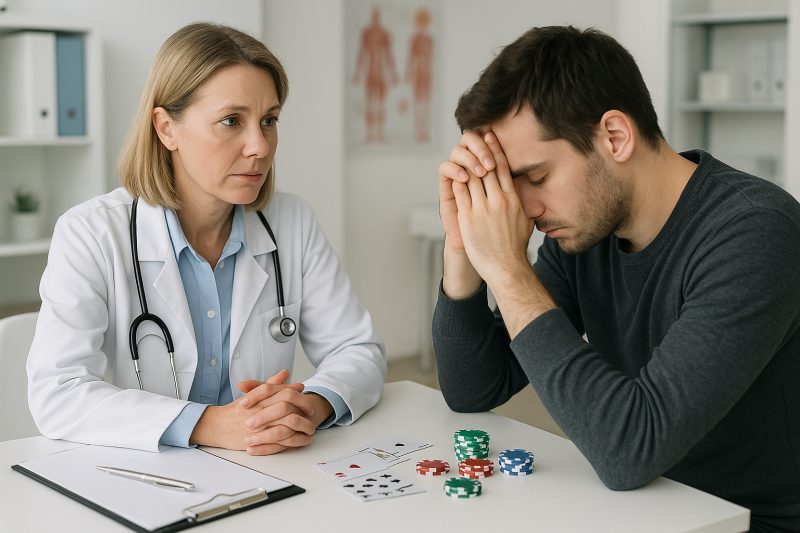
Gambling addiction, clinically known as pathological gambling or compulsive gambling disorder, is a serious and progressive behavioral addiction recognized by the World Health Organization (WHO) and the Diagnostic and Statistical Manual of Mental Disorders (DSM-5). Unlike casual recreational gambling, problem gambling involves a persistent, uncontrollable urge to gamble despite mounting negative consequences — financial ruin, broken relationships, legal troubles, and severe mental health deterioration.
The condition affects millions of people across Europe and worldwide, cutting across all ages, genders, and socioeconomic backgrounds. What begins as entertainment can rapidly evolve into a destructive compulsion that hijacks the brain’s reward system in a manner strikingly similar to substance addiction. If you or someone you love is struggling, understanding the mechanics of this disorder is the first step toward recovery.
How Gambling Addiction Develops: The Brain Behind the Bet
To understand why gambling addiction is so difficult to overcome, it’s essential to look at what happens inside the brain. Every win — no matter how small — triggers a powerful release of dopamine, the brain’s “feel-good” neurotransmitter. Over time, the brain adapts by reducing its natural dopamine production, meaning the individual needs to gamble more frequently and with higher stakes just to feel normal. This is known as tolerance, and it mirrors the same neurological process seen in alcohol addiction treatment and drug dependence.
The near-miss effect is particularly dangerous: when a gambler almost wins, the brain responds almost as intensely as it would to an actual win. This neurological trick keeps players glued to slot machines, poker tables, or online betting platforms for hours — or even days — at a time. Online gambling platforms, designed with sophisticated algorithms and around-the-clock availability, have dramatically accelerated the development of compulsive gambling behavior in recent years.
The Devastating Dangers of Gambling Addiction
Gambling addiction is far more than a financial problem. Its consequences reach into every corner of a person’s life, causing irreversible damage if left untreated. Below are the key areas severely impacted by this disorder:
Financial Ruin
The most visible danger is economic devastation. Individuals with pathological gambling disorder frequently exhaust savings accounts, max out credit cards, take out unauthorized loans, and even steal money from family members or employers. In severe cases, bankruptcy, home repossession, and crushing debt become unavoidable realities. Recovery from financial losses can take years, even after the gambling has stopped.
Mental and Emotional Health Crisis
Gambling addiction is strongly linked to major depressive disorder, anxiety disorders, and suicidal ideation. Studies indicate that individuals suffering from compulsive gambling are at a significantly higher risk of suicide compared to the general population. Feelings of shame, guilt, hopelessness, and secrecy create a toxic emotional environment that can become life-threatening without professional intervention.
Family and Relationship Breakdown
Compulsive gamblers frequently lie to loved ones to conceal the extent of their problem, leading to a profound erosion of trust. Marriages disintegrate, children suffer neglect, and friendships dissolve under the weight of financial demands and emotional unavailability. The ripple effect of gambling addiction on families is enormous — partners often develop their own anxiety and depression as a result.
Professional and Legal Consequences
Declining work performance, unexplained absences, and the desperate need for money can lead to job loss. In the most extreme cases, individuals resort to fraud, theft, or embezzlement to fund their gambling habit, resulting in criminal charges and imprisonment.
Warning Signs and Symptoms: How to Detect a Gambling Problem
Early detection is critical to preventing the full-scale destruction that untreated gambling addiction causes. Recognizing the warning signs — whether in yourself or someone close to you — could be lifesaving. Key indicators include:
- Preoccupation with gambling — constantly thinking about past bets, planning future ones, or calculating how to obtain money to gamble
- Increasing bets — needing to wager larger and larger amounts to achieve the same excitement (tolerance)
- Failed attempts to quit — repeated unsuccessful efforts to control, cut back, or stop gambling entirely
- Restlessness and irritability — experiencing mood disturbances when attempting to reduce gambling (withdrawal symptoms)
- Chasing losses — returning to gamble after losing money in an attempt to “win it back”
- Lying and secrecy — concealing the extent of gambling from family members, partners, or therapists
- Jeopardizing relationships or career — gambling despite knowing it is destroying important areas of life
- Financial desperation — relying on others to provide money to relieve a financial crisis caused by gambling
- Escapism — using gambling as a way to cope with feelings of helplessness, guilt, anxiety, or depression
If five or more of these signs are present, a clinical diagnosis of pathological gambling disorder is likely. Professional evaluation is urgently recommended.
Who Is Most at Risk? Risk Factors for Gambling Addiction
While anyone can develop a gambling problem, certain factors elevate the risk significantly:
- Family history of addiction (genetic predisposition)
- Pre-existing mental health conditions such as ADHD, depression, or bipolar disorder
- Early exposure to gambling during childhood or adolescence
- High-stress environments or traumatic life events
- Easy access to online gambling platforms and sports betting apps
- Competitive personality traits and sensation-seeking behavior
- Substance use disorder (gambling and substance addiction frequently co-occur)
The Rise of Online Gambling: A Growing Crisis Across Europe
The explosion of online gambling and sports betting has created an unprecedented public health challenge. Apps and websites are available 24 hours a day, require no physical presence, and use data-driven algorithms to maximize engagement and spending. In Europe alone, the online gambling market generates billions of euros annually — and the rate of problem gambling among online users is significantly higher than among those who gamble exclusively in physical locations.
Young adults and teenagers are particularly vulnerable, as digital gambling is seamlessly integrated into social media, esports, and mobile gaming environments. Regulation is tightening across the EU, but the psychological damage is already occurring at scale. Early intervention and awareness are more critical than ever.
How to Take Action: Treatment Options for Gambling Addiction
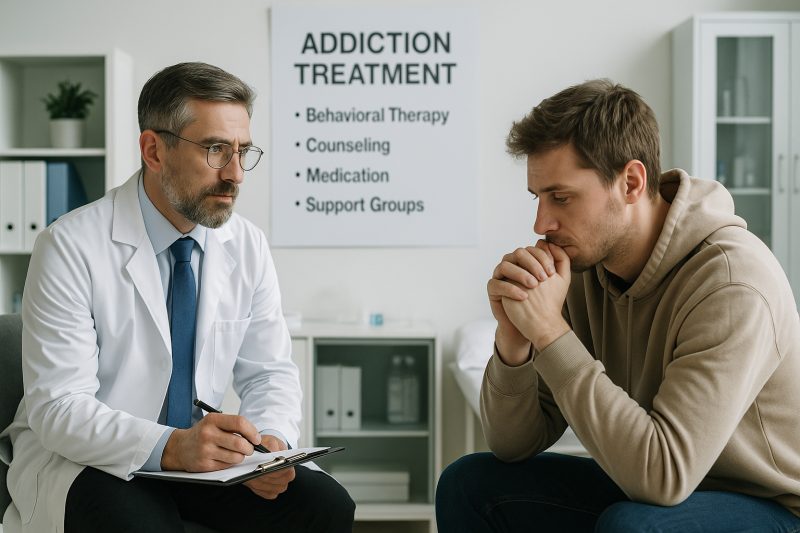
Gambling addiction is treatable. With the right professional support, lasting recovery is absolutely achievable. Treatment approaches include:
Cognitive-Behavioral Therapy (CBT)
CBT is the gold standard of psychological treatment for gambling disorder. It helps individuals identify and challenge the distorted thinking patterns — such as the illusion of control or the gambler’s fallacy — that perpetuate compulsive betting. CBT equips patients with practical coping strategies and relapse prevention tools.
Residential Rehabilitation Programs
For individuals with severe addiction, an inpatient rehabilitation program provides a structured, distraction-free environment where therapy can be intensive and comprehensive. European Addiction Centers (EAC) connects patients with accredited residential facilities across Europe that specialize in behavioral addictions, including gambling.
Support Groups and Peer Recovery
Organizations such as Gamblers Anonymous (GA) and similar peer-led support groups offer community, accountability, and shared experience. These groups complement professional treatment and provide vital ongoing support during and after formal therapy.
Pharmacological Support
While no medication is exclusively approved for gambling disorder, certain medications — including opioid addiction treatment antagonists such as naltrexone and some antidepressants — have shown effectiveness in reducing gambling urges, particularly when a co-occurring mental health condition is present.
Financial Counseling and Legal Support
Addressing the practical fallout of addiction is equally important. Debt management counseling, budgeting support, and legal advice are often integral parts of a comprehensive recovery plan.
How European Addiction Centers Can Help
At European Addiction Centers (EAC), we understand that asking for help is one of the hardest steps a person can take. Our network of accredited specialists across Europe offers confidential assessments, evidence-based treatment programs, and compassionate care tailored to each patient’s unique circumstances. Whether you are looking for outpatient therapy, residential treatment, or guidance for a loved one, EAC is here to guide you every step of the way.
Do not wait until gambling addiction has taken everything. Reach out today — recovery is possible, and you do not have to face it alone.
Frequently Asked Questions About Gambling Addiction
1. Is gambling addiction a real medical condition?
Yes. Pathological gambling disorder is officially recognized as a behavioral addiction by the DSM-5 and the WHO’s ICD-11. It involves the same neurological reward mechanisms as substance addictions and requires professional treatment.
2. How do I know if I have a gambling problem?
Key warning signs include being unable to stop despite wanting to, lying about gambling, chasing losses, jeopardizing relationships or work, and using gambling to escape negative emotions. If several of these apply to you, seek a professional assessment immediately.
3. Can gambling addiction be cured?
While there is no instant “cure,” gambling addiction can be effectively managed and overcome with the right treatment. Many people achieve long-term recovery through therapy, support groups, and structured rehabilitation programs.
4. What is the most effective treatment for gambling addiction?
Cognitive-Behavioral Therapy (CBT) is considered the most evidence-based psychological treatment. For severe cases, residential rehabilitation combined with CBT, peer support, and financial counseling offers the best outcomes.
5. How does online gambling increase the risk of addiction?
Online platforms are available 24/7, use engagement-maximizing algorithms, offer easy credit, and can be accessed privately — all factors that dramatically lower barriers to excessive gambling and accelerate the development of compulsive gambling behavior.
6. Can family members help someone with a gambling addiction?
Yes, but carefully. Loved ones should avoid enabling behaviors such as covering debts. Instead, they should encourage the person to seek professional help, attend family therapy sessions, and consider support groups like Gam-Anon, which is specifically designed for families of gamblers.
7. Is gambling addiction linked to other mental health disorders?
Strongly so. Depression, anxiety, bipolar disorder, ADHD, and substance use disorders frequently co-occur with gambling addiction. A comprehensive treatment plan must address all co-existing conditions simultaneously.
8. What should I do in a gambling addiction crisis?
If someone is in immediate danger — particularly if there are signs of suicidal ideation — contact emergency services immediately. For non-emergency support, contact a gambling addiction helpline or reach out to European Addiction Centers for urgent assessment and referral.
9. Are there medications that help with gambling addiction?
Yes. Naltrexone and other opioid antagonists have demonstrated effectiveness in reducing gambling urges by blocking dopamine-related reward responses. Certain antidepressants may also help when co-occurring depression or OCD is present. Medication is always used alongside therapy, not as a standalone solution.
10. How long does treatment for gambling addiction take?
Recovery timelines vary greatly depending on severity. Short-term intensive programs may last 4–12 weeks, while full psychological and financial recovery can take months to years. Long-term aftercare and relapse prevention planning are essential components of sustainable recovery.
11. Can young people develop gambling addiction?
Absolutely. Adolescents and young adults are increasingly vulnerable due to the integration of gambling mechanics in mobile games, esports betting, and social media platforms. Early exposure is a major risk factor, and young people often develop the disorder faster than adults.
12. Where can I find accredited gambling addiction treatment in Europe?
European Addiction Centers (EAC) connects individuals with a network of accredited treatment centers across Europe specializing in behavioral addictions. Contact us today for a confidential consultation and personalized treatment recommendations.






Leave A Comment