


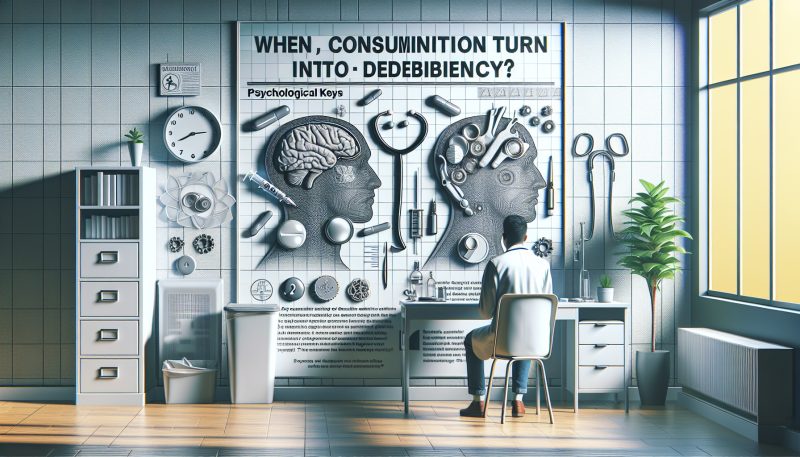
Understanding the Line Between Use and Addiction
One of the most dangerous misconceptions about addiction is that it happens suddenly — that one day a person is fine, and the next they are dependent. In reality, the transition from occasional use to compulsive dependency is gradual, subtle, and deeply psychological. Recognising when that line has been crossed is not only difficult for the person experiencing it, but often for their loved ones as well. This article explores the key psychological signals that indicate when consumption has evolved into a full-blown addiction, and why seeking professional help at the earliest possible stage can be life-saving.
What Is the Difference Between Use, Misuse, and Dependence?
Before identifying warning signs, it is essential to understand the clinical distinctions between the stages of substance involvement.
Recreational or Experimental Use
Recreational use refers to consuming a substance occasionally, typically in social settings, without experiencing significant negative consequences. The person retains control over when, how much, and how often they consume. However, this stage is never entirely safe — even experimental use carries risks, particularly for individuals with a genetic predisposition to addiction or underlying mental health conditions.
Misuse and Harmful Use
Substance misuse occurs when consumption begins to cause harm — whether physical, psychological, social, or professional. The person may still believe they are in control, but patterns of use are becoming more frequent, more intense, or more secretive. This is often the most critical window for intervention.
Dependence and Addiction
Dependence involves physiological and psychological reliance on a substance. The brain’s reward circuits have been significantly altered, and the person experiences withdrawal symptoms, tolerance build-up, and an overwhelming compulsion to use — even when fully aware of the consequences. Addiction at this stage is classified as a chronic brain disorder requiring professional treatment.
Key Psychological Signs That Use Has Become Addiction
The psychological transformation that accompanies addiction is profound. Below are the most significant indicators that consumption has crossed into dependency.
1. Loss of Control Over Consumption
Perhaps the most telling sign is the inability to stop or limit use despite repeated attempts. A person may set rules for themselves — “I’ll only drink on weekends,” or “I’ll use just this once more” — and consistently break them. This erosion of willpower is not a character flaw; it is evidence of significant changes in the prefrontal cortex, the brain region responsible for decision-making and impulse control.
2. Preoccupation and Obsessive Thinking
When a significant portion of a person’s mental energy is devoted to obtaining, using, or recovering from a substance, this is a red flag. Intrusive thoughts about substances interfere with concentration, relationships, and daily functioning. The substance becomes the psychological centre of the person’s world.
3. Continued Use Despite Negative Consequences
One of the defining features of addiction in the DSM-5 (Diagnostic and Statistical Manual of Mental Disorders) is persisting in use even when it is clearly causing damage — to health, finances, relationships, or legal standing. The person may acknowledge the harm but feel psychologically incapable of stopping.
4. Emotional Regulation Through Substances
When substances become the primary tool for managing emotions — relieving anxiety, numbing pain, combating depression, or inducing pleasure — this is a deeply concerning psychological development. Known as self-medication, this pattern dramatically accelerates the path toward dependency and makes dual diagnosis (co-occurring addiction and mental health disorder) more likely.
5. Withdrawal and Craving
Withdrawal symptoms — ranging from anxiety, insomnia, and irritability to severe physical reactions such as seizures or delirium — indicate physiological dependence. Similarly, intense psychological cravings that dominate a person’s thoughts and behaviour are hallmarks of addiction that require immediate professional attention.
6. Tolerance: Needing More to Feel the Same Effect
Tolerance is a biological and psychological adaptation in which the brain requires progressively larger doses of a substance to achieve the original effect. This dangerous escalation not only increases health risks but deepens dependency rapidly.
7. Social Withdrawal and Lifestyle Changes
Abandoning previously enjoyed activities, withdrawing from family and friends, changing social circles to those who support or share the addiction — these behavioural shifts reflect how profoundly addiction reshapes a person’s identity and priorities.
The Psychology Behind Addiction: Why the Brain Becomes Trapped
Addiction is not a moral failing — it is a neurobiological condition with powerful psychological dimensions. Substances hijack the brain’s dopamine reward system, creating an artificial sense of pleasure or relief that the brain begins to crave above all else. Over time, natural rewards — food, connection, achievement — lose their ability to generate the same response, leaving the individual in a state of emotional and motivational deficit unless the substance is present.
Psychological factors such as childhood trauma, attachment disorders, chronic stress, and undiagnosed mental illness significantly increase vulnerability. Understanding these underlying drivers is central to effective treatment, which is why a purely physical detox is rarely sufficient on its own.
Risk Factors That Accelerate the Transition to Dependency
- Genetic predisposition: Family history of addiction substantially raises individual risk.
- Early onset of use: The younger a person begins using substances, the greater the likelihood of developing addiction.
- Mental health disorders: Depression, anxiety, PTSD, and ADHD frequently co-occur with substance use disorders.
- Trauma and adverse childhood experiences (ACEs): A well-documented pathway into self-medicating behaviours.
- Social environment: Peer pressure, family dysfunction, and cultural normalisation of substance use all play significant roles.
- High-stress lifestyles: Chronic occupational or personal stress without healthy coping mechanisms increases risk substantially.
Why Professional Help Is Not Optional — It Is Essential
Addiction is a complex, chronic condition that does not resolve through willpower alone. Attempting to quit without professional support exposes individuals to potentially life-threatening withdrawal, severe psychological distress, and high rates of relapse. Evidence-based treatment — combining medically supervised detoxification, psychotherapy (such as Cognitive Behavioural Therapy or Dialectical Behaviour Therapy), pharmacological support, and long-term aftercare — offers the best outcomes.
At European Addiction Centers (EAC), we connect individuals and families with accredited, specialist treatment facilities across Europe. Our network of centres provides compassionate, clinically rigorous care tailored to each person’s unique needs. If you or someone you love is showing signs that use has become dependency, do not wait for the situation to worsen. Early intervention saves lives.
Frequently Asked Questions About When Use Becomes Addiction
How can I tell if I am addicted or just a heavy user?
The key distinction is loss of control. If you find yourself unable to stop despite wanting to, experiencing cravings, continuing use despite negative consequences, or needing increasing amounts to feel the same effect, these are strong indicators of addiction rather than heavy use. A professional assessment can provide clarity.
Can someone become addicted after using a substance only a few times?
Yes, particularly with highly addictive substances such as heroin, methamphetamine, or crack cocaine. Genetic vulnerability, mental health history, and environmental factors can accelerate the development of physical and psychological dependence far more quickly than people expect.
Is addiction always physical, or can it be purely psychological?
Both forms exist and are equally serious. Physical dependence involves withdrawal symptoms when the substance is stopped. Psychological dependence involves intense cravings and emotional reliance on the substance. Many addictions involve both dimensions simultaneously.
Why do people continue using substances even when they know they are being harmed?
Addiction fundamentally alters brain structure and function, particularly in areas governing decision-making, impulse control, and emotional regulation. The compulsion to use becomes stronger than rational awareness of harm. This is not a choice — it is a symptom of the disorder itself.
At what point should I seek professional help?
As early as possible. If you notice loss of control, withdrawal symptoms, escalating tolerance, or significant life disruption, these are urgent signals to seek a professional evaluation. Waiting until “rock bottom” is dangerous and unnecessary — effective treatment is available at every stage.
Can addiction be cured completely?
Addiction is generally understood as a chronic, manageable condition rather than one that is simply cured. Many people achieve long-term recovery and lead fulfilling lives. However, ongoing vigilance, support structures, and sometimes continued therapy or medication are important components of sustained well-being.
Does having a family history of addiction mean I will become addicted?
Not necessarily, but it does significantly increase your risk. Genetic factors account for approximately 40–60% of addiction vulnerability. Being aware of this risk allows for more informed, cautious decisions and earlier intervention if problems begin to emerge.
What is dual diagnosis, and why does it matter?
Dual diagnosis refers to the co-occurrence of a substance use disorder alongside a mental health condition such as depression, anxiety, PTSD, or bipolar disorder. It is extremely common and requires integrated treatment that addresses both conditions simultaneously for effective recovery.
Can someone recover from addiction without going to a residential centre?
In some cases, outpatient treatment is appropriate, particularly for milder dependencies. However, for moderate to severe addiction, residential treatment provides a structured, immersive environment that significantly improves outcomes. A professional assessment will determine the most appropriate level of care.
How do I talk to a loved one who I think may be addicted?
Approach the conversation with compassion rather than accusation. Use specific observations rather than generalisations, express concern for their wellbeing, and avoid shame-based language. If direct conversation feels impossible, consider seeking guidance from an addiction specialist or exploring family intervention services to facilitate the process safely and effectively.



Leave A Comment