


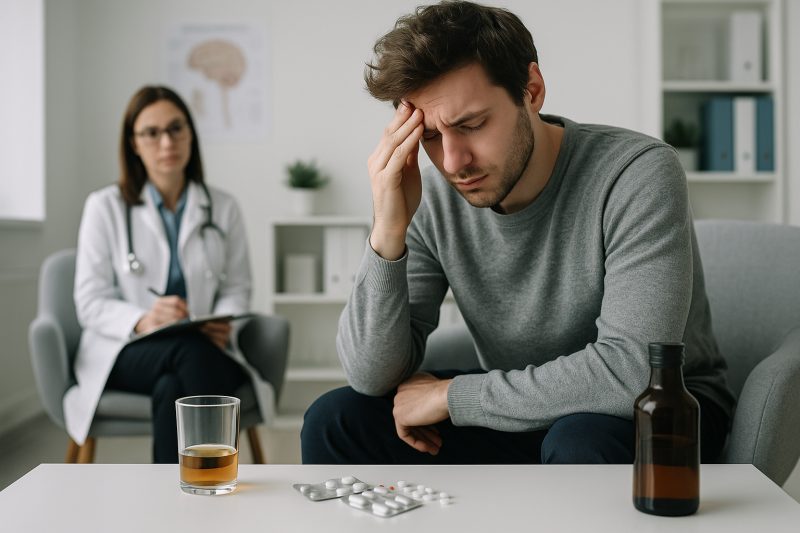
The Dangerous Connection Between Addiction and Mental Health
Millions of people across Europe and the world are silently battling two overlapping crises at the same time: addiction and mental health disorders. The relationship between substance use and conditions like depression and anxiety is not coincidental — it is deeply biological, psychological, and social. Understanding this connection is critical, because when left untreated, the combination of both conditions becomes far more destructive than either alone. This article explores how these disorders interact, why they are so dangerous together, and why professional treatment is not just recommended — it is essential.
What Is Dual Diagnosis?
When a person suffers from both a substance use disorder and a mental health condition simultaneously, clinicians refer to this as a dual diagnosis — also known as co-occurring disorders. This is more common than many people realise. According to the World Health Organization, approximately 50% of individuals with severe mental health disorders also struggle with substance abuse, and vice versa.
The most frequently co-occurring mental health conditions alongside addiction include:
- Major depressive disorder (MDD)
- Generalised anxiety disorder (GAD)
- Post-traumatic stress disorder (PTSD)
- Bipolar disorder
- Borderline personality disorder (BPD)
- Panic disorder
- Social anxiety disorder
The danger of a dual diagnosis is that each condition worsens the other, creating a vicious cycle that is extremely difficult to escape without professional intervention.
How Depression Fuels Addiction — and Vice Versa
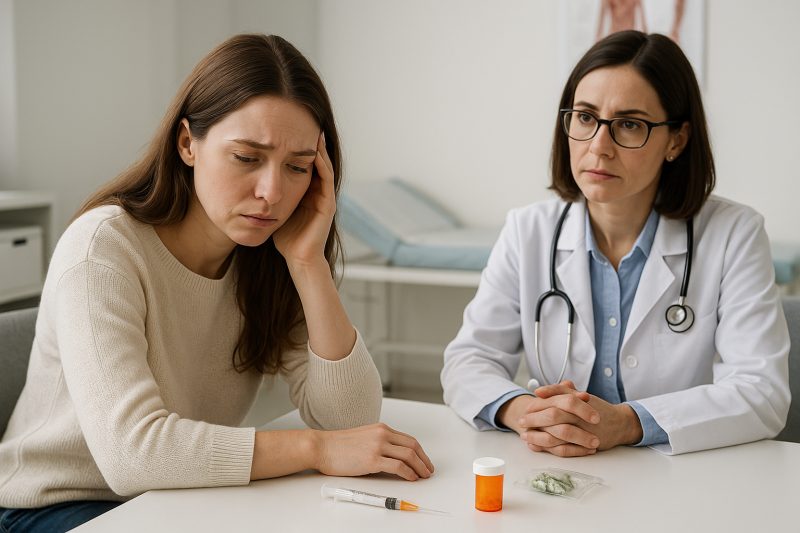
Depression is one of the most widespread mental health disorders globally, characterised by persistent feelings of sadness, emptiness, hopelessness, fatigue, and loss of interest in daily life. Many people experiencing depression turn to alcohol, cannabis, opioids, or other substances in an attempt to self-medicate their emotional pain.
While substances may offer brief, illusory relief, the long-term consequences are devastating:
- Alcohol is a central nervous system depressant that worsens depressive symptoms over time.
- Prolonged drug use depletes serotonin and dopamine — the brain’s natural mood regulators.
- The cycle of intoxication and withdrawal creates severe emotional lows that deepen depression.
- Addiction isolates individuals from family and social support, intensifying feelings of hopelessness.
- Substance use can trigger suicidal ideation, particularly in those already vulnerable to depression.
Conversely, chronic substance use can cause depressive episodes in individuals who had no prior history of the disorder. The brain’s chemistry is fundamentally altered by addiction, making it impossible to experience natural pleasure — a condition known as anhedonia. This neurological damage can persist long after the substance is stopped, requiring targeted clinical treatment.
The Role of Anxiety in Substance Use Disorders
Anxiety disorders are among the most common mental health conditions in Europe, affecting an estimated 25 million people. Like depression, anxiety frequently drives individuals toward substance use as a coping mechanism. People experiencing overwhelming worry, panic attacks, or social anxiety often use substances to:
- Reduce physical symptoms of anxiety such as racing heartbeat and trembling
- Feel more comfortable in social situations
- Numb intrusive or catastrophic thoughts
- Fall asleep when anxiety causes insomnia
Alcohol and benzodiazepines are particularly dangerous in this context, because they work on the same GABA receptors that regulate anxiety — making them highly effective in the short term but leading to severe physical dependence and tolerance very quickly. When these substances are withdrawn, anxiety rebounds to levels far worse than before — a phenomenon known as rebound anxiety — which drives the person to use again to obtain relief.
Stimulants like cocaine and amphetamines, which some people use for energy or performance, frequently trigger or worsen panic disorders and paranoia, further destabilising mental health. The relationship is bidirectional and catastrophic: anxiety worsens addiction, and addiction worsens anxiety.
Why Self-Medication Is Extremely Dangerous
The term self-medication hypothesis describes the pattern in which people use substances to manage psychological distress. While the intention may be to cope, self-medication is one of the most dangerous paths a person can take for several reasons:
- It masks underlying conditions rather than treating them, allowing them to grow more severe.
- It creates neurochemical dependence, changing how the brain functions permanently without treatment.
- Tolerance builds rapidly, requiring larger amounts of the substance to achieve the same relief.
- The risk of overdose increases dramatically, especially when mixing substances.
- It delays help-seeking behaviour, often until the person is in a life-threatening crisis.
It is critical to understand: there is no safe level of self-medication for mental health conditions. Professional psychiatric and psychological evaluation is the only safe path forward.
Recognising the Warning Signs of Co-Occurring Disorders
Early identification of a dual diagnosis significantly improves treatment outcomes. Be alert to these warning signs:
- Using substances to manage emotional pain, sadness, or worry
- Feeling unable to function socially or professionally without substances
- Persistent low mood or hopelessness that worsens with substance use
- Increasing anxiety, panic attacks, or paranoia connected to consumption
- Withdrawal symptoms that include intense depression or anxiety
- Failed attempts to cut back on substance use despite wanting to
- Neglecting relationships, work, or health due to substance use
- Thoughts of self-harm or suicide
If you or someone you love recognises these signs, immediate professional help is urgently needed. These conditions do not resolve on their own.
Why Treating Only One Condition Fails
One of the most critical and often overlooked aspects of dual diagnosis is that treating only the addiction or only the mental health disorder is rarely effective and frequently leads to relapse. When someone with untreated depression completes a substance detox programme, they are highly likely to return to substance use because the underlying emotional pain was never addressed. Similarly, treating anxiety with medication while ignoring addiction allows the substance use to undermine any psychiatric progress.
Integrated treatment — addressing both conditions simultaneously through a coordinated clinical team — is the gold standard of care for co-occurring disorders. This approach combines:
- Medically supervised detoxification
- Psychiatric evaluation and medication management
- Cognitive-behavioural therapy (CBT)
- Dialectical behaviour therapy (DBT)
- Motivational interviewing
- Group therapy and peer support
- Family therapy
- Aftercare and relapse prevention planning
Seeking Professional Help: The Only Safe Path to Recovery
Recovery from addiction and co-occurring mental health disorders is absolutely possible — but it requires proper, evidence-based professional treatment. Accredited addiction treatment centres across Europe offer comprehensive dual diagnosis programmes that treat the whole person, not just the symptom. The sooner professional help is sought, the better the long-term outcomes and quality of life.
At European Addiction Centers (EAC), we connect individuals and families with accredited, specialised treatment centres throughout Europe that have proven expertise in treating addiction alongside depression, anxiety, and other mental health conditions. You do not have to face this alone — and you should not try to.
If you or a loved one is struggling, please reach out today. Professional help is available, effective, and life-saving.
Frequently Asked Questions About Addiction, Depression, and Anxiety
1. Can substance use cause depression or anxiety, or does it only worsen them?
Substance use can both cause and worsen depression and anxiety. Chronic use of drugs and alcohol alters brain chemistry — depleting serotonin, dopamine, and GABA — which can trigger these disorders even in individuals with no prior mental health history. In many cases, what begins as a recreational habit develops into a serious dual diagnosis requiring integrated clinical care.
2. What is dual diagnosis and why is it important?
Dual diagnosis refers to the simultaneous presence of a substance use disorder and a mental health condition. It is important because treating one without addressing the other is largely ineffective. Integrated treatment that targets both conditions at the same time is proven to produce significantly better long-term recovery outcomes.
3. Is it common to have both addiction and a mental health disorder?
Yes, it is extremely common. Studies consistently show that approximately 50% of people with addiction also have a co-occurring mental health disorder, and vice versa. The overlap between depression, anxiety, PTSD, and substance use disorders is well-documented in clinical research across Europe and worldwide.
4. Why do people with depression or anxiety use drugs or alcohol?
Many people use substances as a form of self-medication — to temporarily numb emotional pain, quiet anxious thoughts, improve sleep, or feel more socially comfortable. While substances may provide short-term relief, they worsen both the mental health condition and create physical dependence, making professional treatment increasingly urgent.
5. What are the most dangerous substances for people with anxiety or depression?
Alcohol and benzodiazepines are particularly dangerous for those with anxiety due to their highly addictive nature and the severe rebound anxiety caused by withdrawal. Cannabis can trigger or worsen psychosis, paranoia, and depression. Stimulants such as cocaine or amphetamines can cause severe panic attacks and long-term mood instability.
6. Can a person recover from both addiction and depression or anxiety simultaneously?
Absolutely yes. With integrated dual diagnosis treatment — combining medically supervised detox, psychiatric care, and evidence-based psychotherapy — full recovery from both addiction and co-occurring mental health disorders is achievable. Recovery takes time and commitment, but with proper support, lasting improvement in quality of life is very much possible.
7. How do I know if I need professional help for addiction and mental health?
If you are using substances to cope with emotional pain, experiencing withdrawal symptoms, unable to control your use despite negative consequences, or noticing worsening anxiety or depression linked to your consumption, you should seek professional evaluation immediately. These are serious warning signs that require clinical assessment, not willpower alone.
8. What does integrated dual diagnosis treatment look like?
Integrated treatment typically includes medically supervised detoxification, psychiatric assessment and medication if needed, individual therapy (such as CBT or DBT), group therapy, family counselling, and a structured aftercare plan. The goal is to address both the addiction and the underlying mental health condition simultaneously, within a single coordinated care plan.
9. Can antidepressants or anti-anxiety medications help during addiction recovery?
Yes, when prescribed and monitored by a qualified psychiatrist, antidepressants and certain non-addictive anti-anxiety medications can be an important part of dual diagnosis treatment. However, this must always be done under professional supervision, as some medications carry their own risk of dependence or interaction with substances. Self-medicating with prescription drugs is equally dangerous.
10. Is it possible to experience withdrawal symptoms that mimic depression or anxiety?
Yes. Withdrawal from alcohol, opioids, benzodiazepines, and stimulants frequently produces symptoms that closely mirror depression and anxiety — including severe mood crashes, panic attacks, irritability, insomnia, and hopelessness. This is one of the key reasons why medically supervised detoxification is essential and why self-managed withdrawal can be extremely dangerous, even life-threatening.
11. How long does recovery from dual diagnosis take?
Recovery is a highly individual process. Acute treatment typically lasts from 30 to 90 days in a residential setting, but long-term recovery — particularly for dual diagnosis — requires ongoing outpatient support, therapy, and relapse prevention strategies for months or even years. Early intervention dramatically improves outcomes, so seeking help sooner rather than later is always the right decision.
12. Where can I find specialised dual diagnosis treatment in Europe?
European Addiction Centers (EAC) connects individuals and families with accredited, specialised treatment centres across Europe that offer expert dual diagnosis programmes. Whether you are in Spain, Germany, the UK, France, or elsewhere in Europe, professional, compassionate help is available. Contact EAC today to find the right treatment centre for your specific needs.


Leave A Comment