


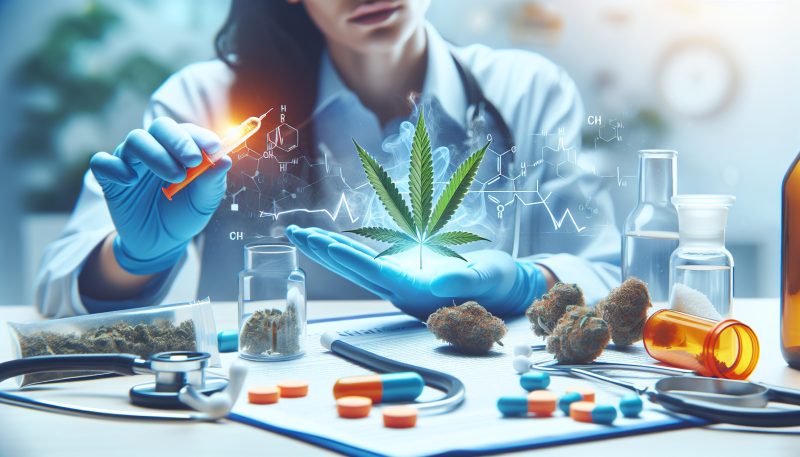
Understanding THC: The Psychoactive Compound in Cannabis
THC (tetrahydrocannabinol) is the primary psychoactive compound found in the Cannabis sativa plant. It is responsible for the characteristic “high” associated with marijuana use and is one of over 100 cannabinoids identified in the plant. While THC has received attention for certain medicinal applications, it is also a potentially addictive substance that poses serious risks to mental and physical health, particularly with prolonged or heavy use. Understanding what THC is and how it affects the human body is essential for making informed decisions and recognising when professional help may be needed.
How Does THC Work in the Brain?
THC interacts with the body’s endocannabinoid system (ECS), a complex network of receptors and neurotransmitters that regulates mood, memory, appetite, pain, and sleep. When THC enters the bloodstream — whether through smoking, vaping, or ingestion — it binds primarily to CB1 receptors in the brain, triggering a cascade of neurochemical changes.
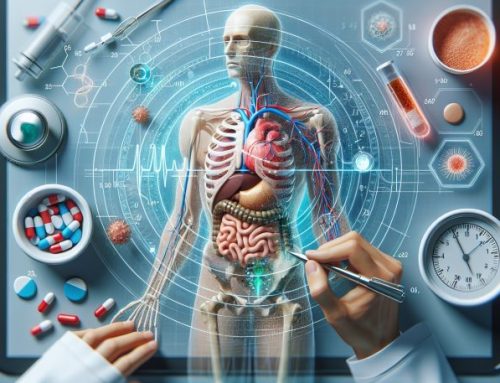
Key Brain Areas Affected by THC
- Hippocampus: Responsible for memory formation; THC disrupts short-term memory consolidation.
- Prefrontal cortex: Governs decision-making and impulse control; THC impairs judgement and executive function.
- Basal ganglia: Controls movement and reward processing; THC overstimulates the dopamine reward pathway.
- Amygdala: Regulates emotional responses; THC can heighten anxiety and paranoia in susceptible individuals.
- Cerebellum: Coordinates motor function; THC causes coordination impairment and slowed reaction time.
This overstimulation of the dopamine reward pathway is particularly dangerous. It creates an artificial sense of pleasure that the brain begins to crave, forming the neurological foundation for cannabis use disorder and long-term dependency.
Short-Term Effects of THC
The immediate effects of THC can vary widely depending on the dose, the method of consumption, the potency of the cannabis product, and the individual’s tolerance and mental health history. However, several short-term effects are consistently reported:
Psychological Short-Term Effects
- Euphoria and altered perception of time
- Heightened sensory experiences (colours, sounds, tastes)
- Impaired short-term memory and concentration
- Anxiety, panic attacks, and paranoia — especially at high doses
- Disorganised thinking and difficulty communicating
- Hallucinations and, in severe cases, cannabis-induced psychosis
Physical Short-Term Effects
- Increased heart rate (tachycardia)
- Red, dry eyes and dry mouth
- Increased appetite (“the munchies”)
- Dizziness and loss of balance
- Slowed reaction times — a major road safety hazard
- Nausea or vomiting, particularly with high-potency products
These short-term effects may seem manageable to occasional users, but they mask a deeper danger: each exposure gradually rewires the brain’s reward system, making regular use increasingly difficult to stop without professional support.
Long-Term Effects of THC on Health
Repeated and heavy use of THC produces serious long-term consequences that affect virtually every aspect of a person’s health and quality of life. These dangers are especially pronounced in adolescents and young adults, whose brains are still developing until around age 25.
Long-Term Mental Health Consequences
- Cannabis use disorder (CUD): Approximately 9% of all cannabis users and up to 17% of those who start in adolescence will develop a dependency.
- Schizophrenia and psychotic disorders: Regular high-potency THC use significantly increases the risk of developing psychosis, particularly in genetically predisposed individuals.
- Depression and anxiety disorders: Chronic use dysregulates the brain’s natural mood-balancing systems.
- Cognitive decline: Long-term users show measurable deficits in memory, attention, and processing speed.
- Amotivational syndrome: A persistent lack of drive, ambition, and interest in previously enjoyed activities.
Long-Term Physical Health Consequences
- Respiratory damage: Smoking cannabis irritates the airways, causing chronic bronchitis and increasing the risk of lung infections.
- Cardiovascular risk: Regular use is associated with an elevated risk of heart attack and stroke, particularly in young adults.
- Cannabinoid hyperemesis syndrome (CHS): A severe condition causing cyclical, debilitating nausea and vomiting in long-term heavy users.
- Hormonal disruption: THC can affect testosterone levels and reproductive function in both men and women.
- Weakened immune response: Chronic THC exposure may suppress immune system function over time.
THC Potency: Why Modern Cannabis Is More Dangerous
One of the most alarming developments in recent decades is the dramatic increase in THC concentration in commercially available cannabis products. In the 1990s, the average THC content in cannabis was approximately 4%. Today, many strains routinely test at 20–30% THC, and concentrated products such as wax, shatter, and cannabis oil can reach concentrations of 70–90%.
This surge in potency dramatically increases the risk of acute toxic reactions, accelerates the development of tolerance and dependency, and makes the consequences of addiction far more severe. Many individuals underestimate how dangerous contemporary cannabis products truly are compared to those of previous generations.
Cannabis Addiction: A Real and Serious Condition
Despite persistent cultural myths, cannabis addiction is a clinically recognised medical condition. Cannabis use disorder is defined in the DSM-5 (Diagnostic and Statistical Manual of Mental Disorders) and is characterised by compulsive use despite significant negative consequences, withdrawal symptoms, and loss of control over consumption.
Signs of Cannabis Use Disorder
- Using cannabis in larger amounts or for longer than intended
- Repeated unsuccessful attempts to cut down or quit
- Spending excessive time obtaining, using, or recovering from cannabis use
- Craving cannabis and experiencing intense urges to use
- Failing to fulfil obligations at work, school, or home due to cannabis use
- Continuing use despite relationship, health, or legal problems
- Giving up hobbies or activities to prioritise cannabis use
- Experiencing withdrawal symptoms such as irritability, insomnia, appetite loss, and anxiety when not using
If you or someone you care about recognises these signs, it is critical to seek professional addiction treatment without delay. Cannabis use disorder responds well to structured therapeutic intervention when addressed early.
The Importance of Professional Help for THC Addiction
Attempting to overcome cannabis dependency without professional support is significantly less effective than evidence-based treatment. Withdrawal from heavy THC use, while not physically dangerous in the same way as alcohol or opioid withdrawal, causes severe psychological discomfort that frequently leads to relapse without proper guidance.
Accredited addiction treatment centres across Europe offer comprehensive programmes including medically supervised detoxification, cognitive-behavioural therapy (CBT), motivational enhancement therapy (MET), group therapy, and long-term aftercare planning. These evidence-based approaches address both the physical dependency and the underlying psychological triggers that drive continued use.
At European Addiction Centers (EAC), we connect patients with accredited, compassionate treatment facilities that specialise in cannabis and polysubstance use disorders. Recovery is possible — but it requires the right support structure.
Frequently Asked Questions About THC and Its Effects
1. What does THC stand for?
THC stands for tetrahydrocannabinol, the primary psychoactive compound found in the cannabis plant. It is responsible for the intoxicating effects associated with marijuana use.
2. Is THC physically addictive?
Yes. While THC does not cause the same intense physical dependency as substances like heroin or alcohol, it does produce psychological dependency and measurable withdrawal symptoms, including irritability, insomnia, anxiety, and decreased appetite. This constitutes a clinically recognised addiction.
3. How long does THC stay in the body?
THC is stored in fat cells and can remain detectable in the body for varying lengths of time. In urine, it may be detectable for 3–30 days depending on frequency of use. In hair follicles, it can be detected for up to 90 days. Chronic heavy users retain THC metabolites longest.
4. Can THC cause psychosis?
Yes. High-potency THC use is strongly associated with an increased risk of cannabis-induced psychosis and long-term psychotic disorders such as schizophrenia, particularly in individuals with a genetic predisposition or family history of mental illness.
5. Is cannabis use disorder the same as marijuana addiction?
Cannabis use disorder (CUD) is the clinical term for what is commonly referred to as marijuana addiction. It is a formally diagnosed condition in the DSM-5 and affects millions of people worldwide who have lost control over their cannabis consumption.
6. Can teenagers become addicted to THC more easily than adults?
Yes. The adolescent brain is significantly more vulnerable to the effects of THC. Research shows that individuals who begin using cannabis before age 18 are up to four times more likely to develop cannabis use disorder than those who begin as adults.
7. What are the signs that someone needs help for cannabis addiction?
Key signs include inability to stop using despite wanting to, using cannabis to cope with emotions, neglecting responsibilities, experiencing withdrawal symptoms, and prioritising cannabis over relationships or health. If these signs are present, professional treatment is strongly recommended.
8. Does CBD also get you high like THC?
No. CBD (cannabidiol) is a non-psychoactive cannabinoid and does not produce the intoxicating “high” associated with THC. However, many cannabis products contain both compounds, and the interaction between them is complex and still under scientific investigation.
9. What treatments are available for THC addiction?
Evidence-based treatments include cognitive-behavioural therapy (CBT), motivational enhancement therapy, contingency management, group counselling, and residential rehabilitation programmes. There are currently no approved medications specifically for cannabis use disorder, though some symptoms may be managed pharmacologically during detox.
10. Is it dangerous to combine THC with other substances?
Absolutely. Combining THC with alcohol, benzodiazepines, opioids, or other substances significantly increases the risk of acute toxic reactions, respiratory depression, cardiovascular events, and psychotic episodes. Polysubstance use also dramatically complicates addiction treatment and worsens long-term outcomes.
11. How can European Addiction Centers help with cannabis addiction?
European Addiction Centers (EAC) connects individuals and families with accredited addiction treatment facilities across Europe that specialise in cannabis use disorder. Our network offers personalised treatment plans, medically supervised care, and long-term recovery support. Contact us today to take the first step toward a healthier, substance-free life.

Leave A Comment