


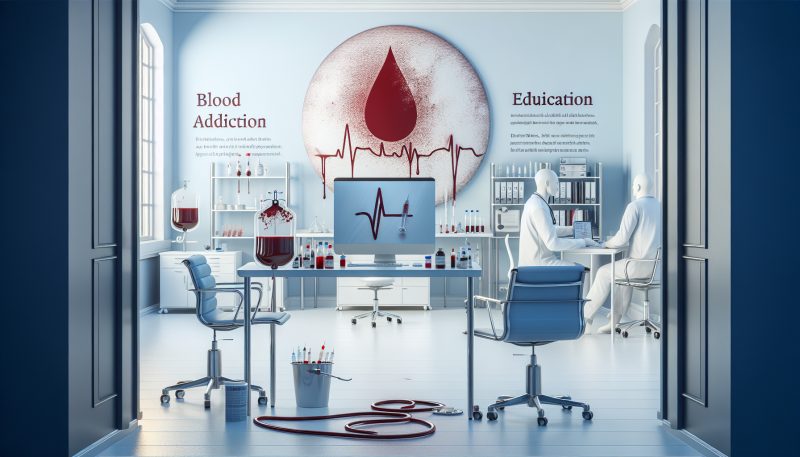
What Is Blood Addiction? Defining a Complex and Dangerous Condition
When most people hear the phrase blood addiction, they may dismiss it as fiction — a concept borrowed from vampire mythology or horror films. However, this phenomenon is very real and represents a deeply complex psychological and behavioural condition that demands serious clinical attention. Blood addiction, also referred to in clinical contexts as haematodipsia or an obsessive compulsion involving blood, encompasses a range of disturbing behaviours including the compulsive craving to consume, see, or interact with human or animal blood. Like any addiction, it carries profound dangers for both the individual and those around them.
At European Addiction Centers, we believe that no addiction — regardless of how unusual it may appear — should be left untreated. Understanding the roots, manifestations, and risks of blood addiction is the first critical step toward seeking the professional help that every individual deserves.
The Psychological and Clinical Roots of Blood Addiction
Blood addiction does not emerge in a vacuum. It is typically rooted in a combination of psychological disorders, trauma history, and deeply ingrained compulsive behaviours. Clinicians have identified several key factors that may contribute to its development:
1. Underlying Psychological Disorders
Many individuals who develop a compulsion around blood are also diagnosed with conditions such as obsessive-compulsive disorder (OCD), borderline personality disorder (BPD), or paraphilic disorders. These underlying conditions can amplify obsessive thoughts and translate them into dangerous behaviours involving blood.
2. Trauma and Self-Harm History
A significant number of individuals with blood-related compulsions have a documented history of self-harm or childhood trauma. Seeing or producing blood may have become psychologically associated with emotional relief, control, or the processing of pain. Over time, this association can escalate into a full-blown compulsive addiction.
3. The Role of Reinforcement
Like substance addictions, blood addiction often follows a cycle of craving, acting out, temporary relief, and shame — followed by more intense cravings. This neurological reinforcement cycle makes the condition increasingly difficult to break without professional intervention.
4. Vampire Subculture and Identity
Some individuals adopt sanguinarian vampire identity, claiming a physical or psychological need to consume blood. While this community exists primarily as a subculture, the compulsive and health-threatening behaviours associated with blood consumption remain clinically significant and require professional evaluation.
How Blood Addiction Manifests: Signs and Symptoms
Identifying blood addiction requires awareness of a broad range of behavioural and psychological symptoms. The warning signs may include:
- Persistent, intrusive thoughts about blood that are difficult to control
- Compulsive self-cutting or deliberate self-injury to produce blood
- Seeking to consume blood from oneself or others (haematophagia)
- Intense emotional arousal or relief when exposed to blood
- Secretive behaviour, isolation, and shame regarding blood-related activities
- Escalating frequency or intensity of behaviours over time (tolerance development)
- Failed attempts to stop or control the behaviour
- Neglect of personal relationships, work, or health due to the compulsion
- Continued behaviour despite awareness of serious health risks
If you or someone you love is exhibiting these signs, it is critical to seek professional psychological and medical support immediately.
The Serious Dangers of Blood Addiction
Blood addiction is not a harmless quirk or lifestyle choice. It poses severe, life-threatening risks to physical and mental health. Understanding these dangers is essential to motivating individuals to seek help.
Physical Health Risks
Blood consumption — whether one’s own or another person’s — carries extreme health hazards. Human blood can transmit a wide range of bloodborne pathogens, including:
- HIV/AIDS — a life-altering, potentially fatal viral infection
- Hepatitis B and C — serious viral liver diseases with long-term complications
- Syphilis and other sexually transmitted infections
- Bacterial infections including sepsis, which can be rapidly fatal
Beyond infection risk, compulsive self-cutting and self-harm can result in severe blood loss, permanent scarring, nerve damage, and accidental fatal injury. The physical toll of blood addiction is not trivial — it is genuinely life-threatening.
Psychological and Emotional Consequences
The psychological burden of blood addiction is equally devastating. Individuals often experience:
- Profound shame, guilt, and self-loathing that reinforces the addictive cycle
- Worsening of underlying conditions such as depression and anxiety
- Social isolation and the destruction of personal relationships
- Increased risk of suicidal ideation and suicide attempts
- Difficulty maintaining employment or academic performance
Legal and Social Consequences
When blood-related behaviours involve other people — whether consensually or not — there are serious legal and ethical implications. Involving others in blood-sharing rituals, even when seemingly consensual, may lead to criminal liability, safeguarding concerns, and irreparable harm to relationships and social standing.
Who Is at Risk? Understanding Vulnerable Populations
Blood addiction can affect individuals of any age, gender, or background, but certain populations face elevated risk:
- Individuals with a history of childhood abuse or neglect
- Those already engaged in self-harm behaviours
- People with diagnosed personality disorders or OCD
- Individuals deeply immersed in vampire or alternative subcultures
- Those with a history of other behavioural addictions
- Adolescents and young adults experiencing identity crises or emotional dysregulation
Early identification of risk factors is crucial. The sooner intervention occurs, the more effective treatment tends to be.
Treatment Approaches for Blood Addiction
Recovery from blood addiction is entirely possible with the right professional support. Because of the condition’s complexity — sitting at the intersection of behavioural addiction, obsessive-compulsive spectrum disorders, and trauma — a multidisciplinary treatment approach is most effective.
Psychological Therapies
Cognitive Behavioural Therapy (CBT) is considered one of the most effective treatments for compulsive behaviours. It helps patients identify and challenge the distorted thought patterns that fuel blood-related obsessions, and develop healthier coping strategies. Dialectical Behaviour Therapy (DBT) is particularly beneficial for individuals whose blood addiction is tied to emotional dysregulation and self-harm history, as it builds distress tolerance and emotional regulation skills.
Trauma-Focused Therapy, including EMDR (Eye Movement Desensitisation and Reprocessing), is often necessary to address the underlying traumatic experiences that may have initiated or reinforced the compulsion.
Psychiatric Assessment and Medication
A full psychiatric evaluation is essential to identify any co-occurring conditions such as OCD, BPD, or depression. Pharmacological treatment — including SSRIs or other medications — may be prescribed to manage obsessive thoughts and emotional instability that contribute to the addictive cycle.
Residential and Intensive Outpatient Programmes
For individuals whose blood addiction has significantly impaired daily functioning, residential treatment at an accredited addiction centre provides a structured, safe environment for intensive therapeutic work. European Addiction Centers connects patients with leading facilities across Europe that offer specialised behavioural addiction programmes.
Support Groups and Peer Support
While specialised support groups for blood addiction are rare, broader groups focused on self-harm recovery and compulsive behaviour can offer community, accountability, and hope for those in recovery.
When to Seek Help: A Message of Urgency
If you recognise any of the symptoms described in this article — whether in yourself or in someone you care about — please do not wait. Blood addiction is a serious condition that will not resolve itself without professional intervention. The shame and secrecy that typically surround this condition mean that many sufferers delay seeking help for years, during which time the physical and psychological damage compounds significantly.
There is no shame in reaching out. Addiction specialists are trained to respond with clinical expertise and human compassion. Recovery is not only possible — it is achievable with the right support system in place. European Addiction Centers is here to connect you with qualified professionals who understand the full complexity of behavioural addictions and can guide you toward lasting recovery.
Frequently Asked Questions About Blood Addiction
Is blood addiction a recognised medical condition?
While blood addiction does not appear as a standalone diagnosis in the DSM-5, it is recognised within clinical practice as a serious behavioural compulsion often linked to OCD spectrum disorders, paraphilias, self-harm patterns, and trauma histories. Mental health professionals treat it as a genuine and dangerous condition requiring structured intervention.
What causes blood addiction?
The causes are multifactorial and may include childhood trauma, underlying psychological disorders (such as OCD or BPD), self-harm history, neurological reinforcement patterns, and in some cases, identification with certain subcultures. No single cause applies to every individual.
Can blood addiction be cured?
With appropriate and sustained professional treatment, individuals can achieve long-term remission from blood addiction. While “cure” is a complex term in addiction medicine, significant recovery and symptom management are achievable goals through therapy, psychiatric support, and lifestyle changes.
Is consuming blood physically dangerous?
Yes, extremely. Consuming blood — human or animal — carries serious risks of bloodborne disease transmission, including HIV, Hepatitis B and C, and bacterial infections. It can also lead to iron toxicity and gastrointestinal complications.
How is blood addiction different from self-harm?
While there is significant overlap, self-harm typically refers to deliberate self-injury as an emotional coping mechanism, whereas blood addiction involves a specific compulsive fixation on blood itself — seeing it, producing it, or consuming it. Many individuals with blood addiction also engage in self-harm, but the two conditions are distinct.
Can someone with blood addiction hurt others?
In some cases, yes. Individuals may seek blood from others, which carries profound ethical, health, and legal risks for all parties involved. This is one of the reasons why professional treatment and risk assessment are critically important.
What type of therapist should I see for blood addiction?
You should seek a licensed psychologist or psychiatrist with experience in obsessive-compulsive spectrum disorders, behavioural addictions, and trauma. A comprehensive clinical assessment will guide the most appropriate therapeutic pathway for your specific situation.
Will I be judged if I seek help for blood addiction?
Qualified addiction and mental health professionals are trained to provide non-judgmental, evidence-based care. You will not be shamed or condemned for seeking help. Your wellbeing is the sole priority of clinical treatment teams.
Can blood addiction co-occur with substance addiction?
Yes. Like many behavioural addictions, blood addiction can co-occur with substance use disorders, eating disorders, or other compulsive behaviours. Dual diagnosis treatment — addressing multiple conditions simultaneously — is often necessary for effective recovery.
How do I help a loved one with blood addiction?
The most important steps are to approach your loved one with empathy and without judgment, encourage them to seek professional help, and avoid enabling dangerous behaviours. Consider contacting a mental health professional yourself for guidance on how best to support them. European Addiction Centers can help you find the right specialist.
Are there treatment centres in Europe that specialise in behavioural addictions like blood addiction?
Yes. European Addiction Centers works with a network of accredited treatment facilities across Europe that offer specialised programmes for behavioural addictions, compulsive disorders, and co-occurring mental health conditions. Contact us today to find the right centre for your needs.



Leave A Comment