


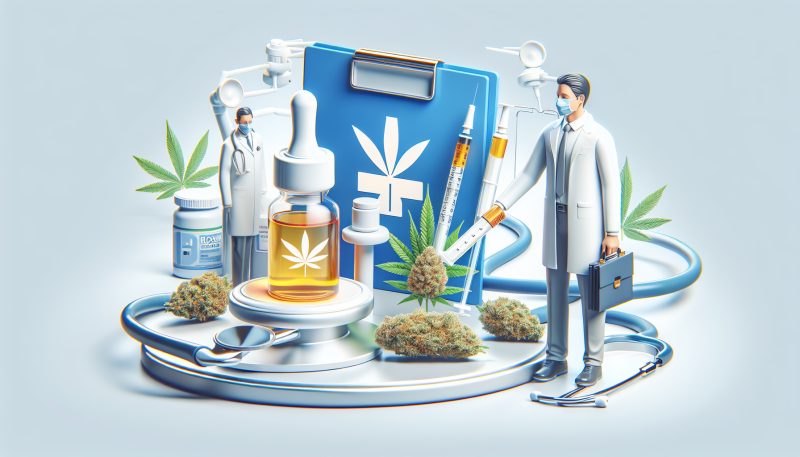
What Is Rosin? Understanding This Powerful Cannabis Concentrate
In recent years, the world of cannabis consumption has evolved dramatically, moving far beyond traditional dried flower. Among the most concerning developments is the rise of cannabis concentrates, particularly a substance known as rosin. Rosin is a solventless cannabis extract produced by applying heat and pressure to cannabis plant material — including flowers, hash, or kief — to squeeze out a highly potent, resinous substance. Unlike concentrates that require chemical solvents, rosin can be made with relatively simple equipment, making it alarmingly accessible to everyday users.
What makes rosin particularly dangerous is its extraordinary THC concentration. While traditional cannabis flower typically contains between 10% and 25% THC, rosin can reach concentrations of 60% to 90% THC or higher. This dramatic increase in potency transforms rosin from a recreational curiosity into a serious public health concern, significantly elevating the risk of cannabis use disorder, acute psychiatric episodes, and long-term neurological damage.
How Is Rosin Produced and Consumed?
Rosin is extracted through a process that involves pressing cannabis material between heated plates — often using a specialised rosin press or even a modified hair straightener — to force the resinous oils out of the plant. The resulting product is a sticky, amber-coloured concentrate that can range from a sap-like liquid to a waxy or budder consistency depending on the starting material and temperature used.
Common Methods of Consuming Rosin
- Dabbing: The most prevalent method, involving the vaporisation of rosin on a heated surface called a “nail” or “banger,” attached to a specialised water pipe known as a dab rig.
- Vaping: Rosin can be loaded into compatible vaporisers or vape cartridges, making consumption discreet and easily portable.
- Adding to joints or bowls: Users sometimes add rosin to traditional cannabis products to dramatically increase their potency.
- Edible infusions: Rosin can be used to create highly potent cannabis-infused foods and drinks, where dosage control becomes extremely difficult.
Each of these methods delivers a massive spike in THC to the bloodstream almost instantaneously, overwhelming the brain’s endocannabinoid system and dramatically increasing the risk of adverse reactions and dependency.
The Dangers of High-Potency Cannabis Concentrates Like Rosin
The dangers associated with rosin and other high-potency cannabis concentrates are well-documented and should not be underestimated. Medical and psychiatric professionals across Europe are reporting increasing numbers of patients presenting with severe symptoms directly linked to concentrate use.
Acute Health Risks
- Cannabis-induced psychosis: High THC doses are strongly linked to acute psychotic episodes, including paranoia, hallucinations, and severe disorientation. These episodes can be terrifying and dangerous for both the user and those around them.
- Cannabinoid Hyperemesis Syndrome (CHS): Heavy, repeated use of high-potency concentrates can trigger CHS, a condition characterised by cyclical, debilitating vomiting that is only relieved by stopping cannabis use entirely.
- Cardiovascular stress: THC significantly raises heart rate and blood pressure, increasing the risk of heart attack or stroke, particularly in individuals with pre-existing conditions.
- Severe anxiety and panic attacks: The rapid onset and overwhelming intensity of a rosin “dab” frequently triggers acute anxiety, panic attacks, and a dissociative state users describe as a “bad trip.”
- Loss of consciousness and injury: Overwhelmingly high doses of THC can cause sudden drops in blood pressure, leading to fainting and risk of physical injury.
Long-Term Neurological and Psychological Damage
Chronic exposure to the extreme THC levels found in rosin poses serious long-term threats to brain health. Research increasingly demonstrates that high-potency cannabis use is associated with structural and functional changes in the brain, particularly in areas governing memory, impulse control, and emotional regulation. Young users — whose brains are still developing until their mid-twenties — face the greatest risk of permanent cognitive impairment.
Long-term rosin use has been linked to:
- Persistent memory and concentration problems
- Increased risk of developing schizophrenia or other psychotic disorders, especially in those with a genetic predisposition
- Amotivational syndrome — a chronic state of apathy, low drive, and inability to find pleasure in everyday activities
- Depression and anxiety disorders that persist long after cessation of use
Rosin and Cannabis Use Disorder: The Addiction Risk
A common and dangerous myth is that cannabis is “not addictive.” The reality is that cannabis use disorder (CUD) is a recognised, clinically significant condition. Approximately 9% of all cannabis users will develop a dependency — but this figure rises sharply to 17% for those who begin use in adolescence and even higher for those using high-potency concentrates like rosin regularly.
The extreme THC content in rosin dramatically accelerates the development of tolerance, meaning users must consume increasingly larger amounts to achieve the same effect. This rapidly escalating pattern is a hallmark of substance use disorder and can lead to full physical and psychological dependence.
Signs of Cannabis Addiction Linked to Rosin Use
- Inability to cut down or stop use despite wanting to
- Spending excessive time obtaining, using, or recovering from rosin
- Withdrawal symptoms when not using, including irritability, insomnia, nausea, and intense cravings
- Neglecting work, school, relationships, or responsibilities due to use
- Continuing to use despite clear negative consequences on mental or physical health
- Using rosin as a way to cope with stress, trauma, or emotional pain
Who Is Most Vulnerable to Rosin Addiction?
While anyone can develop a cannabis use disorder after regular rosin use, certain groups are at significantly higher risk:
- Adolescents and young adults — whose developing brains are far more susceptible to the neurological effects of high-THC substances
- Individuals with a personal or family history of addiction or mental health disorders
- People using cannabis as self-medication for underlying anxiety, depression, trauma, or chronic pain
- Those in social environments where concentrate use is normalised or encouraged
Early intervention is critical. The longer high-potency cannabis use continues, the more entrenched the addiction becomes and the more complex the treatment required.
The Importance of Seeking Professional Help for Cannabis Addiction
Many people struggling with rosin or cannabis addiction feel that their problem is “not serious enough” to warrant professional treatment. This is a dangerous misconception. Cannabis use disorder is a real, recognised medical condition that causes measurable harm to physical health, mental well-being, relationships, and professional performance. It deserves — and responds well to — proper clinical treatment.
Effective treatments for cannabis addiction include:
- Cognitive Behavioural Therapy (CBT): Helps patients identify triggers, challenge distorted thinking, and develop healthier coping strategies
- Motivational Enhancement Therapy (MET): Strengthens the individual’s internal motivation to change their behaviour
- Dual diagnosis treatment: Addresses co-occurring mental health conditions such as anxiety, depression, or PTSD that often underlie substance use
- Residential rehabilitation programmes: Provide a structured, supportive environment for intensive recovery
- Aftercare and relapse prevention planning: Ensures ongoing support following initial treatment
At European Addiction Centers (EAC), we connect patients with accredited, expert-led treatment centres across Europe that specialise in cannabis and polysubstance addiction. You do not have to face this alone — recovery is absolutely possible with the right professional support.
Frequently Asked Questions About Rosin and Cannabis Addiction
1. What exactly is rosin in the context of cannabis?
Rosin is a solventless cannabis concentrate made by applying heat and pressure to cannabis flower, hash, or kief to extract a highly potent, resinous oil. It can contain between 60% and 90% THC, making it far more powerful than traditional cannabis flower.
2. Is rosin more dangerous than regular cannabis?
Yes, significantly so. The extreme THC concentration in rosin dramatically increases the risk of acute psychosis, anxiety attacks, cardiovascular stress, and accelerated development of cannabis use disorder compared to standard cannabis flower.
3. Can you become addicted to rosin?
Absolutely. Regular use of rosin can rapidly lead to cannabis use disorder, characterised by tolerance, withdrawal symptoms, compulsive use, and the inability to stop despite negative consequences. The high potency accelerates this process considerably.
4. What are the withdrawal symptoms from rosin use?
Withdrawal from high-potency cannabis like rosin can include irritability, insomnia, intense cravings, nausea, sweating, decreased appetite, anxiety, and depressed mood. Symptoms typically begin within 24-72 hours of stopping and can persist for several weeks.
5. Can rosin cause psychosis?
Yes. High-dose THC exposure, as is typical with rosin consumption, is strongly associated with cannabis-induced psychosis, including paranoia, hallucinations, and severe disorientation. In vulnerable individuals, this can trigger longer-term psychotic disorders.
6. Is rosin legal in Europe?
The legal status of rosin varies by country, but in most European nations, cannabis concentrates including rosin are illegal under drug control legislation. Even in countries with partial cannabis decriminalisation, high-potency concentrates typically remain prohibited.
7. How do I know if I or someone I love is addicted to rosin?
Key warning signs include inability to stop despite wanting to, using rosin to cope with daily stress or emotions, experiencing withdrawal symptoms when not using, neglecting responsibilities, and continuing use despite clear harm to mental health, relationships, or work performance.
8. What is Cannabinoid Hyperemesis Syndrome (CHS)?
Cannabinoid Hyperemesis Syndrome is a condition caused by chronic, heavy cannabis use — particularly of high-potency concentrates — characterised by recurring episodes of severe nausea, vomiting, and abdominal pain. The only effective treatment is permanent cessation of cannabis use.
9. What treatment options are available for cannabis addiction in Europe?
Treatment options include outpatient therapy (CBT, MET), residential rehabilitation programmes, dual diagnosis treatment for co-occurring mental health issues, and structured aftercare programmes. European Addiction Centers connects patients with accredited facilities across the continent.
10. At what age is rosin use most dangerous?
Rosin is most dangerous for adolescents and young adults under 25, as the brain is still developing during this period. High-potency THC exposure during brain development is associated with significantly elevated risks of cognitive impairment, psychosis, and long-term addiction.
11. Can cannabis addiction be treated successfully?
Yes. With proper professional support, cannabis use disorder responds well to evidence-based treatments. Many individuals achieve full, sustained recovery through a combination of therapy, lifestyle changes, peer support, and where necessary, residential rehabilitation.
12. How can European Addiction Centers help someone struggling with rosin addiction?
European Addiction Centers (EAC) provides expert guidance and connects individuals and families with accredited addiction treatment centres across Europe. Our network offers personalised, compassionate care tailored to each patient’s unique needs, including specialist programmes for cannabis and high-potency concentrate addiction. Reach out today — help is available.

Leave A Comment