


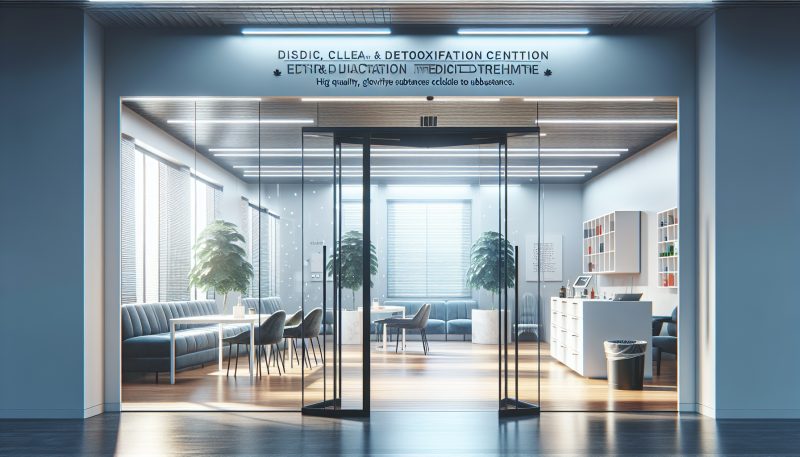
Understanding Detox Centre Costs: Why Investing in Recovery Can Save Your Life
When someone is trapped in the grip of substance use disorder, the most urgent question is often not “how much does it cost?” but rather “how much longer can I survive without help?” Yet the reality is that detox centre costs are a legitimate and necessary consideration for patients and their families. Understanding what these prices cover, why they vary so dramatically, and what happens when addiction goes untreated can help you make the most important investment of your life — your recovery.
Across Europe, residential detoxification programmes, outpatient addiction treatment, and medically supervised withdrawal come at a wide range of price points. This article breaks down the factors that influence pricing, the genuine risks of delaying treatment, and how to access professional help regardless of your financial situation.
The True Cost of Untreated Addiction
Before examining the price of treatment, it is essential to understand the devastating cost of not seeking help. Addiction — whether to alcohol, opioids, benzodiazepines, cocaine, or other substances — is a chronic, progressive brain disease. Left untreated, it causes irreversible physical and psychological damage, destroys relationships, leads to unemployment, and dramatically increases the risk of fatal overdose or withdrawal-related death.
- Alcohol withdrawal can trigger life-threatening delirium tremens, characterised by seizures, severe confusion, and cardiovascular collapse.
- Opioid dependency carries a constant risk of respiratory arrest due to overdose, particularly when tolerance fluctuates after periods of abstinence.
- Benzodiazepine withdrawal is one of the most medically dangerous withdrawal syndromes, capable of causing fatal seizures without proper medical supervision.
- Long-term substance abuse leads to liver cirrhosis, heart disease, cognitive impairment, and severe mental health disorders including psychosis and depression.
The financial burden of untreated addiction — lost employment, legal costs, medical emergencies, and family breakdown — consistently exceeds the cost of professional treatment. Seeking help early is not only safer; it is ultimately more cost-effective.
What Do Detox Centre Costs Actually Cover?
When evaluating detox centre pricing, it is important to understand the comprehensive services that reputable facilities provide. A medically supervised detoxification programme is not simply a place to “sleep off” a substance — it is an intensive, clinically managed process.
Medical Supervision and Clinical Staff
Quality detox centres employ addiction medicine physicians, psychiatrists, registered nurses, and clinical psychologists. These professionals monitor patients 24 hours a day, 7 days a week, administering pharmacological support such as methadone, buprenorphine, chlordiazepoxide, or other evidence-based medications to manage withdrawal symptoms safely.
Accommodation and Therapeutic Environment
Residential treatment centres provide private or semi-private rooms, nutritious meals, and a structured, substance-free environment. The quality and comfort of accommodation significantly influences the overall cost, with premium private clinics offering hotel-style amenities while standard facilities provide functional but adequate living spaces.
Psychological and Behavioural Therapies
Effective addiction treatment goes far beyond physical detoxification. Reputable centres incorporate Cognitive Behavioural Therapy (CBT), Motivational Interviewing (MI), group therapy, trauma-informed care, and family therapy sessions. These evidence-based interventions address the underlying psychological drivers of addiction and dramatically improve long-term outcomes.
Aftercare Planning and Relapse Prevention
Responsible treatment facilities invest significant resources in personalised aftercare planning, including referrals to outpatient support groups, 12-step programmes, sober living arrangements, and ongoing relapse prevention counselling.
Typical Detox Centre Price Ranges Across Europe
Pricing varies considerably based on location, duration of stay, level of medical complexity, and the type of facility. The following are general indicative ranges:
- Outpatient detox programmes: €500–€3,000 for a structured programme of several weeks, suitable for individuals with moderate dependency and a stable home environment.
- Standard residential detox (7–14 days): €3,000–€10,000, covering medical supervision, accommodation, meals, and basic therapeutic support.
- Premium private residential rehab (28–90 days): €10,000–€60,000+, offering luxury accommodation, extensive therapy, specialist medical care, and comprehensive aftercare.
- Public or subsidised treatment programmes: Available in most European countries at reduced or no cost, though waiting lists can be significant and programme intensity varies.
It is crucial to note that higher cost does not automatically equate to better outcomes. The most important factor is whether the programme is evidence-based, properly accredited, and staffed by qualified addiction specialists.
Factors That Influence the Cost of Addiction Treatment
Understanding what drives detoxification centre pricing helps patients and families make more informed comparisons between facilities.
Substance Type and Severity of Dependency
The nature of the addiction significantly impacts cost. Polysubstance dependency (addiction to multiple substances simultaneously), severe alcohol use disorder, or complex opioid dependency typically require more intensive medical management, increasing the overall cost of care.
Duration of Treatment
Research consistently shows that longer treatment stays produce better long-term outcomes. A 90-day residential programme costs substantially more than a 7-day detox but is associated with significantly higher rates of sustained sobriety and reduced relapse.
Dual Diagnosis Treatment
Many individuals with addiction also suffer from co-occurring mental health disorders such as depression, anxiety disorders, PTSD, or bipolar disorder. Treating both conditions simultaneously — known as dual diagnosis treatment — requires additional specialist resources and increases treatment costs accordingly.
Location and Facility Standards
Treatment centres in Western and Northern Europe generally carry higher price tags than those in Southern or Eastern Europe. Many patients choose to travel for treatment, accessing high-quality care in countries such as Spain, Portugal, the Czech Republic, or Poland at considerably lower prices than equivalent UK or Swiss facilities.
Financing Your Treatment: Options and Support
The cost of detox should never be a barrier to seeking life-saving treatment. There are multiple pathways to making professional addiction care accessible:
- National Health Services: Most EU member states offer publicly funded addiction treatment through the national health system. Contact your GP or local addiction services department as a first step.
- Private health insurance: Many private insurance policies include coverage for addiction treatment. Review your policy carefully and speak to your insurer about pre-authorisation.
- Payment plans: Reputable private clinics often offer structured monthly payment plans to make residential treatment financially manageable.
- Employee Assistance Programmes (EAPs): Many employers offer confidential EAP services that include funding or referrals for addiction treatment.
- Charitable and non-profit organisations: Numerous European charities and foundations provide subsidised or fully funded treatment for individuals who cannot afford private care.
Why Professional Help Is Non-Negotiable
Attempting to self-detox from alcohol, opioids, or benzodiazepines without medical supervision is extraordinarily dangerous and can be fatal. Medically supervised detoxification is the only safe method of managing physical withdrawal from these substances. Beyond the immediate physical risks, addiction is a complex neurological condition that responds poorly to willpower alone — it requires structured, professional intervention to achieve lasting recovery.
If you or someone you love is struggling with substance dependency, please do not delay seeking help. European Addiction Centers connects patients with accredited, professionally staffed treatment centres across Europe, offering transparent pricing information and compassionate guidance at every stage of the recovery journey.
Frequently Asked Questions About Detox Centre Costs
How much does a detox centre typically cost in Europe?
Costs vary widely, from approximately €500 for outpatient programmes to over €60,000 for extended luxury residential rehabilitation. Standard residential detox typically ranges from €3,000 to €10,000 for a 7–14 day stay, depending on the country and facility.
Is detox covered by health insurance?
Many private health insurance policies in Europe include partial or full coverage for addiction treatment, including detoxification. You should contact your insurance provider directly to confirm your coverage and obtain pre-authorisation before admission to a facility.
Can I access free addiction treatment in Europe?
Yes. Most European countries provide publicly funded addiction treatment through national health services. Availability and waiting times vary significantly by country, but state-funded detox and rehabilitation options do exist across the EU.
What is the difference between detox and rehabilitation?
Detoxification refers specifically to the medically supervised process of eliminating a substance from the body and managing withdrawal symptoms, typically lasting 5–14 days. Rehabilitation is the broader therapeutic process — usually lasting 28–90 days — that addresses the psychological, behavioural, and social aspects of addiction.
Is it dangerous to detox at home without medical supervision?
Yes, it can be extremely dangerous or even fatal. Withdrawal from alcohol and benzodiazepines can cause life-threatening seizures. Opioid withdrawal, while rarely fatal in itself, carries a high risk of relapse followed by fatal overdose. Always seek medically supervised detoxification.
How long does a medically supervised detox take?
The duration of the acute detoxification phase typically ranges from 5 to 14 days, depending on the substance involved, the severity of dependency, and the individual’s overall health. Some substances, such as benzodiazepines, require a gradual tapering process that may extend over several weeks.
Why are some detox centres significantly more expensive than others?
Price differences reflect variations in accommodation quality, staff-to-patient ratios, the range and intensity of therapeutic services, location, and the level of medical specialisation available. Premium facilities typically offer more personalised care, luxury environments, and a wider range of evidence-based therapies.
Does a more expensive detox centre guarantee better results?
Not necessarily. The most important factors in treatment outcome are the quality of evidence-based clinical care, the comprehensiveness of the programme, and the patient’s engagement with the recovery process. Accreditation, qualified staff, and a structured aftercare plan are more reliable indicators of quality than price alone.
What happens if I cannot afford private treatment?
If private treatment is financially unachievable, you should contact your national health service, speak to your GP, or reach out to addiction charities in your country. European Addiction Centers can also assist in identifying the most affordable accredited options appropriate to your clinical needs.
What should I look for when choosing a detox centre?
Key factors include: proper national or international accreditation, qualified and licensed clinical staff, evidence-based treatment protocols, dual diagnosis capabilities, transparent pricing, comprehensive aftercare planning, and positive independently verified patient outcomes. Always verify a facility’s credentials before admission.
Can travelling abroad for detox treatment save money?
Yes, significantly. High-quality, fully accredited treatment centres in countries such as Spain, Portugal, the Czech Republic, and Poland often charge substantially less than equivalent facilities in the UK, Switzerland, or Scandinavia. Many European addiction treatment centres cater specifically to international patients and offer assistance with travel and logistics.
How do I know if someone needs professional detox treatment?
Warning signs that professional detoxification is necessary include an inability to stop using a substance despite wanting to, experiencing physical withdrawal symptoms when not using, increasing tolerance requiring more of the substance, and continued use despite serious negative health, social, or professional consequences. If any of these apply, seek professional assessment immediately.




Leave A Comment