


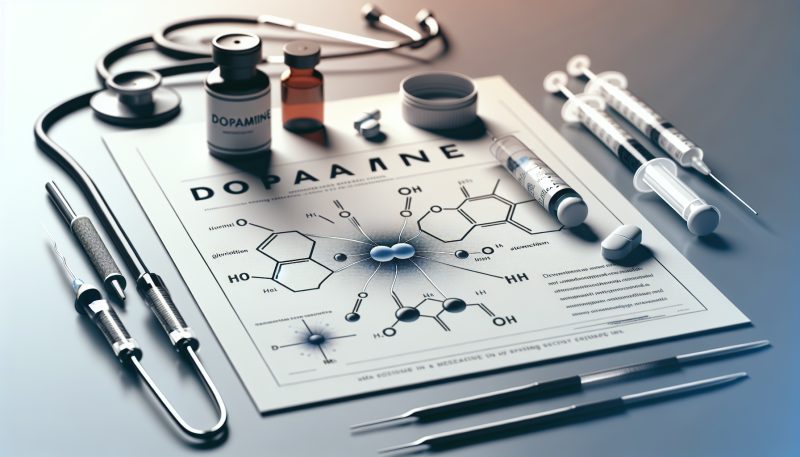
What Is Dopamine? Understanding the Brain’s Reward Chemical
Dopamine is one of the most talked-about chemicals in modern neuroscience — and for good reason. It plays a central role in how we feel pleasure, find motivation, learn, and make decisions. But dopamine is also at the very core of one of the most destructive forces in human health: addiction. Understanding what dopamine is, how it works, and how addictive substances and behaviours hijack the dopamine system is essential for anyone seeking to understand or overcome dependency.
The Science of Dopamine: What It Is and How It Works
Dopamine is a neurotransmitter — a chemical messenger produced in the brain that transmits signals between nerve cells (neurons). It is synthesised from the amino acid tyrosine and is released by specialised neurons in several key brain regions. While dopamine influences many bodily functions, including movement and hormonal regulation, its most discussed role is within the brain’s reward and motivation system.
When you experience something pleasurable — eating a delicious meal, achieving a goal, listening to music you love — dopamine is released into the nucleus accumbens, a region often called the brain’s “pleasure centre.” This release creates a feeling of satisfaction and reinforces the behaviour, telling your brain: “That was good — do it again.” This mechanism is how dopamine drives motivation, habit formation, and learning.
Key Dopamine Pathways in the Brain
- Mesolimbic pathway: The primary reward pathway, connecting the ventral tegmental area (VTA) to the nucleus accumbens. This is the pathway most directly implicated in addiction.
- Mesocortical pathway: Connects the VTA to the prefrontal cortex, influencing decision-making, impulse control, and emotional regulation.
- Nigrostriatal pathway: Involved in motor control; damage to this pathway is associated with Parkinson’s disease.
- Tuberoinfundibular pathway: Regulates the release of prolactin, a hormone involved in lactation and reproductive health.
Dopamine and Natural Rewards vs. Artificial Stimulation
Under normal, healthy circumstances, dopamine is released in moderate amounts in response to natural rewards: food, social connection, physical activity, and accomplishment. These releases are measured, short-lived, and help us survive and thrive as human beings.
The problem arises when the dopamine system is artificially and aggressively stimulated by addictive substances such as cocaine, heroin, alcohol, methamphetamine, or prescription medications like opioids. These substances can cause dopamine levels to spike to 2 to 10 times higher than any natural reward could achieve. The brain is essentially overwhelmed by an artificial flood of pleasure signals.
This is not just a temporary high — it is the beginning of a neurological hijacking that can permanently alter brain structure and function, making professional intervention critical.
How Addictive Substances and Behaviours Hijack the Dopamine System
Every substance of abuse interacts with the dopamine system, though each does so through a different mechanism:
- Cocaine and methamphetamine block dopamine reuptake or flood synapses with dopamine, causing intense, immediate euphoria.
- Heroin and opioids bind to opioid receptors that indirectly trigger massive dopamine releases in the reward system.
- Alcohol enhances dopamine signalling while also reducing inhibitory control, leading to compulsive drinking patterns.
- Nicotine stimulates nicotinic receptors in the VTA, triggering dopamine release and creating rapid, powerful dependency.
- Cannabis activates cannabinoid receptors that stimulate dopamine neurons, contributing to cannabis use disorder.
Behavioural addictions — such as gambling disorder, compulsive gaming, or sex addiction — also exploit the same dopamine pathways, proving that addiction is not solely a substance problem but a broader disorder of the brain’s reward system.
The Dangerous Consequences of Dopamine System Disruption
Repeated overstimulation of the dopamine system does not come without a devastating cost. The brain, in an attempt to restore balance, responds to chronic dopamine surges in several dangerous ways:
1. Dopamine Receptor Downregulation
As dopamine floods the brain repeatedly, neurons reduce the number of dopamine receptors available — a process called downregulation. This means the brain becomes less sensitive to dopamine, and the person needs more and more of the substance to feel the same effect. This is the biological basis of tolerance, one of the hallmarks of addiction.
2. Anhedonia: The Loss of Natural Pleasure
With dopamine receptors depleted and natural reward pathways suppressed, individuals in active addiction often experience anhedonia — a profound inability to feel pleasure from everyday activities. This condition makes recovery deeply challenging and significantly increases the risk of depression, anxiety, and relapse.
3. Compulsive Drug-Seeking Behaviour
The disrupted dopamine system transforms voluntary drug use into compulsive, uncontrollable craving. The prefrontal cortex — responsible for rational decision-making — becomes impaired, meaning the individual continues to use substances despite knowing the consequences. This is why willpower alone is rarely enough to overcome addiction.
4. Long-Term Brain Damage
Chronic substance abuse causes structural and functional changes in the brain that can persist long after drug use stops. These include reduced grey matter volume, impaired memory and learning, and altered emotional regulation. Some of these changes may be permanent without proper treatment.
Dopamine Deficiency and Mental Health Disorders
Dopamine imbalances are not limited to addiction. Low dopamine activity is associated with a range of serious mental and physical health conditions, including:
- Depression and persistent low mood
- Attention Deficit Hyperactivity Disorder (ADHD)
- Parkinson’s disease (loss of dopamine-producing neurons)
- Schizophrenia (involving dysregulation of dopamine pathways)
- Restless Legs Syndrome
Many people who struggle with addiction also have underlying co-occurring mental health disorders — a condition known as dual diagnosis or comorbidity. They may be unconsciously self-medicating dopamine deficiencies with substances, making it even more critical to seek comprehensive, integrated professional treatment.
Why Professional Help Is Essential for Dopamine-Related Addiction
Understanding dopamine is not just an academic exercise — it reveals exactly why addiction is a medical condition that cannot be overcome through willpower or self-discipline alone. The brain changes caused by chronic substance use are real, measurable, and serious.
Effective addiction treatment must address the neurological, psychological, and social dimensions of the disorder. At accredited treatment centres, patients receive:
- Medical detoxification to safely manage withdrawal symptoms
- Pharmacological support using medications that help restore dopamine balance (e.g., methadone, buprenorphine, naltrexone)
- Cognitive Behavioural Therapy (CBT) to rewire maladaptive thought patterns and cravings
- Dual diagnosis treatment for co-occurring depression, anxiety, or ADHD
- Holistic therapies including exercise, nutrition counselling, and mindfulness — all of which support natural dopamine restoration
- Long-term aftercare and relapse prevention planning
Recovery is possible. The brain has a remarkable capacity to heal — a property known as neuroplasticity — but this healing process requires time, professional support, and a structured treatment environment. European Addiction Centers (EAC) connects individuals and families with accredited, evidence-based treatment centres across Europe to begin this journey.
Frequently Asked Questions About Dopamine and Addiction
1. What is dopamine in simple terms?
Dopamine is a chemical messenger (neurotransmitter) produced in the brain that plays a key role in feelings of pleasure, motivation, and reward. It tells your brain when something feels good and motivates you to repeat that behaviour.
2. Is dopamine only about feeling good?
No. While dopamine is closely associated with pleasure, it also plays critical roles in movement, memory, attention, learning, and hormonal regulation. It is one of the most multifunctional neurotransmitters in the human body.
3. How do drugs increase dopamine levels?
Different drugs use different mechanisms. Stimulants like cocaine block the reuptake of dopamine, while opioids indirectly trigger its release. Alcohol and nicotine also stimulate dopamine neurons. All of these produce unnaturally high dopamine surges that the brain cannot sustain naturally.
4. Can the dopamine system recover after addiction?
Yes, but recovery takes time. The brain’s neuroplasticity allows it to rebuild dopamine receptor density and restore natural reward sensitivity. However, this process is greatly supported — and often requires — structured professional addiction treatment.
5. What is anhedonia and how is it related to dopamine?
Anhedonia is the inability to feel pleasure from activities that were once enjoyable. It is a direct result of dopamine receptor downregulation caused by chronic substance abuse. It is also a common symptom of depression and a major risk factor for relapse during recovery.
6. Are behavioural addictions (like gambling) related to dopamine?
Yes. Behavioural addictions such as gambling, gaming, or compulsive sexual behaviour activate the same mesolimbic dopamine reward pathway as substance addictions. The brain processes these behaviours similarly to drug use, making them equally dangerous and deserving of professional treatment.
7. Can you have too little dopamine without using drugs?
Absolutely. Dopamine deficiency can occur naturally and is linked to depression, ADHD, Parkinson’s disease, and other conditions. People with low baseline dopamine levels may be more vulnerable to substance use as a form of self-medication.
8. How can I naturally boost dopamine without drugs?
Healthy, natural ways to support dopamine production include regular physical exercise, adequate sleep, a balanced diet rich in tyrosine (found in eggs, dairy, and legumes), mindfulness practices, and meaningful social connection. These approaches are integral parts of any evidence-based recovery programme.
9. What medications are used to treat dopamine-related addiction?
Medications such as methadone, buprenorphine, and naltrexone are used to manage opioid addiction by modulating the dopamine and opioid systems. For alcohol use disorder, naltrexone and acamprosate help reduce cravings. A qualified addiction specialist determines the right pharmacological approach for each patient.
10. Why can’t someone addicted to drugs just stop using willpower?
Because addiction causes measurable, structural changes to the brain — particularly in areas governing impulse control and decision-making. The impaired prefrontal cortex and dysregulated dopamine system make it neurologically very difficult to simply “choose” to stop. This is why addiction is classified as a chronic brain disorder requiring professional medical treatment.
11. How do I know if I or a loved one needs professional addiction help?
Warning signs include loss of control over substance use, continued use despite negative consequences, withdrawal symptoms, neglecting responsibilities, and intense cravings. If you recognise these signs, contact a qualified addiction treatment provider as soon as possible. Early intervention leads to significantly better outcomes.
12. How can European Addiction Centers help with dopamine-related addiction?
European Addiction Centers (EAC) provides access to a network of accredited, evidence-based treatment facilities across Europe. Their expert teams offer personalised treatment plans that address the neurological, psychological, and social aspects of addiction — giving patients the best possible chance of long-term recovery. Reach out today to take the first step.

Leave A Comment