


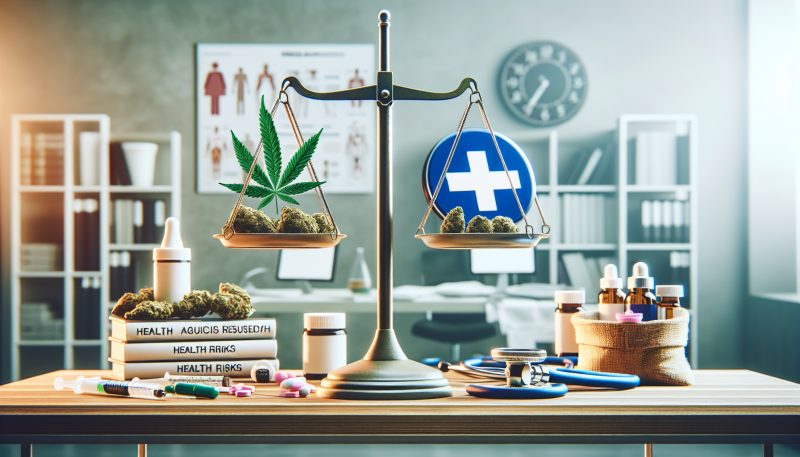
Marijuana Legalization: Understanding the Full Picture
The debate around marijuana legalization has intensified across Europe and the world. Politicians, health professionals, economists, and patients all hold strong opinions. But beneath the political arguments lies a critical public health reality: cannabis use disorder is a genuine, diagnosable condition that ruins lives, breaks families, and demands professional intervention. Before forming an opinion on legalization, it is essential to understand both sides of the argument — and to never lose sight of the very real dangers that cannabis poses, particularly for vulnerable individuals.
What Does Marijuana Legalization Actually Mean?
Legalization refers to the process of removing cannabis from the list of controlled or prohibited substances, allowing its production, sale, and consumption under a regulated framework. This is distinct from decriminalization, which simply removes criminal penalties for possession without making cannabis legally available for purchase. Several countries and U.S. states have taken steps toward full legalization, while others have opted for medical-only frameworks or decriminalization policies.
Understanding these distinctions is important because each model carries different implications for public health, addiction rates, youth access, and the overall burden on healthcare systems.
The Arguments in Favour of Marijuana Legalization
Proponents of legalization often cite a range of social, economic, and medical arguments. While these arguments deserve fair consideration, they must always be weighed against the documented health risks.
1. Reduction in Black Market Activity
One of the most cited arguments is that legalization reduces the illegal drug trade. When cannabis is sold through regulated channels, criminal organizations lose a significant revenue stream. This can, in theory, reduce drug-related violence and improve public safety.
2. Tax Revenue and Economic Benefits
Legal cannabis markets generate substantial tax revenue. In places like Colorado and Canada, billions of dollars have been collected and redirected into education, infrastructure, and — importantly — addiction treatment programmes. This is a meaningful argument, though it risks normalizing a substance with genuine addictive potential.
3. Medical Cannabis Access
There is growing evidence that cannabinoids — the active compounds in cannabis — can help manage certain medical conditions, including chronic pain, epilepsy, multiple sclerosis, and chemotherapy-induced nausea. Legalization frameworks can make it easier for patients to access medically supervised cannabis treatment without resorting to street sources.
4. Racial and Social Justice
In many countries, cannabis prohibition has been enforced disproportionately against minority communities. Legalization advocates argue that reform is a matter of social equity, reducing racially biased policing and ending the criminalization of personal drug use.
5. Personal Freedom
Some argue that adults should have the right to make their own choices about substances, provided those choices do not harm others. This libertarian perspective frames legalization as a matter of individual autonomy.
The Arguments Against Marijuana Legalization
The case against legalization is equally compelling — and from a public health and addiction medicine standpoint, it carries enormous weight.
1. Increased Accessibility Leads to Higher Use Rates
Evidence from jurisdictions that have legalized cannabis shows that rates of cannabis use increase following legalization, particularly among young adults. Greater accessibility, reduced stigma, and aggressive commercial marketing all contribute to this trend. Higher use rates inevitably translate into higher rates of cannabis use disorder.
2. Cannabis Addiction Is Real and Dangerous
Perhaps the most important argument against casual legalization is that cannabis is genuinely addictive. Approximately 9% of people who try cannabis will develop a dependency, and this figure rises to around 17% for those who begin using in adolescence. Cannabis use disorder is characterized by compulsive use, withdrawal symptoms, tolerance, and significant impairment in daily functioning. Symptoms of withdrawal include irritability, insomnia, anxiety, appetite loss, and depression — all of which can be severe enough to require professional medical management.
3. Severe Impact on Mental Health
The relationship between cannabis and mental health disorders is well-documented and deeply alarming. Regular cannabis use — especially of high-potency products — is strongly associated with an increased risk of psychosis, schizophrenia, severe anxiety disorders, and major depressive episodes. The risk is particularly acute for individuals with a personal or family history of psychiatric illness. Legalization, by normalizing use and expanding access to high-THC products, may significantly worsen population-level mental health outcomes.
4. Danger to Adolescent Brain Development
The human brain continues developing until approximately age 25. Adolescent cannabis use has been shown to cause lasting changes in brain structure and function, impairing memory, executive function, learning capacity, and emotional regulation. Despite age restrictions in legal markets, young people consistently report easier access to cannabis after legalization than before.
5. Gateway Drug Concerns
While the gateway drug theory remains debated, research does indicate that early and heavy cannabis use is associated with an increased likelihood of progressing to other substance use disorders, including opioid addiction, cocaine use, and polydrug dependence. This is especially true when use begins in adolescence.
6. Impaired Driving and Public Safety
Cannabis-impaired driving is a significant and growing public safety concern. Unlike alcohol, there is no widely accepted roadside test equivalent to the breathalyser for cannabis intoxication, making enforcement difficult. In jurisdictions where cannabis is legal, rates of cannabis-positive traffic fatalities have increased.
The Hidden Costs: Cannabis Addiction and the Need for Professional Help
The political debate about legalization often overshadows a deeply personal reality: for millions of individuals, cannabis is not a harmless recreational substance — it is the centre of a destructive addiction. People struggling with cannabis use disorder may lose their jobs, damage their relationships, experience serious mental health crises, and feel completely unable to stop using despite desperately wanting to.
Professional addiction treatment is not only available — it is essential for recovery. Effective evidence-based treatments for cannabis addiction include cognitive-behavioural therapy (CBT), motivational enhancement therapy (MET), contingency management, and medically supervised detoxification. In some cases, medications may be prescribed to manage withdrawal symptoms and co-occurring psychiatric conditions.
At European Addiction Centers (EAC), we connect individuals and families with accredited treatment centres across Europe that specialise in cannabis addiction, dual diagnosis treatment, and long-term recovery support. If you or someone you love is struggling with cannabis use, please do not wait for legalization debates to be resolved — seek help now.
The European Context: Where Does Cannabis Legalization Stand?
Across Europe, approaches to cannabis vary widely. Germany moved toward partial legalization in 2024, allowing personal possession and home cultivation for adults. The Netherlands has long tolerated cannabis sales through its coffeeshop system. Portugal has decriminalized all drug use, focusing on a health-led rather than criminal-justice-led approach. Meanwhile, most other European nations maintain prohibition, though enforcement varies considerably.
The European monitoring agency (EMCDDA) consistently reports that cannabis is the most widely used illegal drug in Europe, accounting for the largest share of drug treatment admissions among younger populations. Any shift in legal status must be accompanied by robust investment in prevention, education, and addiction treatment services.
Balancing Policy and Public Health
Ultimately, the legalization debate is not simply a political question — it is a profound public health question. Any policy framework must prioritise protecting young people, expanding access to evidence-based addiction treatment, restricting high-potency products, and funding comprehensive public education campaigns. Legalization without these safeguards risks creating a commercial cannabis industry that profits from addiction while externalizing the health costs onto society.
The most important truth is this: cannabis can be addictive, cannabis can cause serious mental illness, and cannabis addiction requires professional treatment. No matter what policies governments adopt, individuals who are struggling deserve compassionate, expert care.
Frequently Asked Questions About Marijuana Legalization and Addiction
Is marijuana actually addictive?
Yes. Cannabis use disorder is a recognized medical condition. Approximately 9% of all users and up to 17% of adolescent users develop a dependency. Addiction involves compulsive use, tolerance, and withdrawal symptoms including anxiety, insomnia, and irritability.
What are the main health risks of regular cannabis use?
Regular cannabis use is associated with psychosis, schizophrenia, depression, anxiety disorders, impaired memory, lung damage (when smoked), reduced motivation, and cannabis use disorder. These risks increase significantly with early onset of use and with high-potency products.
Does marijuana legalization increase teen use?
Evidence is mixed, but several studies from legalized jurisdictions indicate that adolescent access and use rates tend to increase following legalization, despite age restrictions. Commercial normalization and marketing contribute to this trend.
What is the difference between legalization and decriminalization?
Legalization makes cannabis legally available for purchase and use. Decriminalization removes criminal penalties for possession but does not create a legal market. Both approaches have different implications for use rates, public health, and addiction services.
Can cannabis cause psychosis?
Yes. There is strong scientific evidence that heavy cannabis use, particularly of high-THC products, significantly increases the risk of psychosis and schizophrenia, especially in individuals with a genetic predisposition to psychiatric illness.
What treatment options exist for cannabis addiction?
Effective treatments include cognitive-behavioural therapy (CBT), motivational enhancement therapy (MET), contingency management, group therapy, and medically supervised detox. Accredited addiction treatment centres across Europe offer comprehensive programmes tailored to individual needs.
Is cannabis a gateway drug?
Research shows that early and heavy cannabis use is associated with a higher likelihood of later using other substances. While it is not inevitable, cannabis can be a gateway to more severe substance use disorders, particularly when use begins in adolescence.
How does cannabis affect the adolescent brain?
The brain develops until approximately age 25. Adolescent cannabis use causes lasting structural and functional brain changes, impairing memory, learning, attention, and emotional regulation. These effects can persist into adulthood even after cannabis use stops.
What are the withdrawal symptoms of cannabis addiction?
Withdrawal symptoms include irritability, anxiety, depression, insomnia, loss of appetite, restlessness, and physical discomfort. These symptoms can be severe enough to prevent self-managed cessation and may require professional medical support.
What is happening with cannabis legalization in Europe?
Approaches vary across Europe. Germany introduced partial legalization in 2024, while countries like Portugal focus on decriminalization and health-led approaches. The European Monitoring Centre for Drugs and Drug Addiction (EMCDDA) monitors trends and consistently highlights cannabis as the continent’s most widely used illicit drug.
How can European Addiction Centers help with cannabis addiction?
European Addiction Centers (EAC) connects patients with accredited, professional treatment centres across Europe that specialise in cannabis addiction and co-occurring mental health disorders. Whether you need detox, therapy, or long-term rehabilitation, expert help is available. Contact us today to find the right programme for you or your loved one.
When should someone seek professional help for cannabis use?
You should seek professional help if cannabis use is affecting your work, relationships, mental health, or daily functioning — or if you feel unable to stop despite wanting to. Early intervention dramatically improves recovery outcomes. Do not wait until the situation becomes a crisis.




Leave A Comment