


The Hidden Mind-Body Crisis at the Heart of Addiction
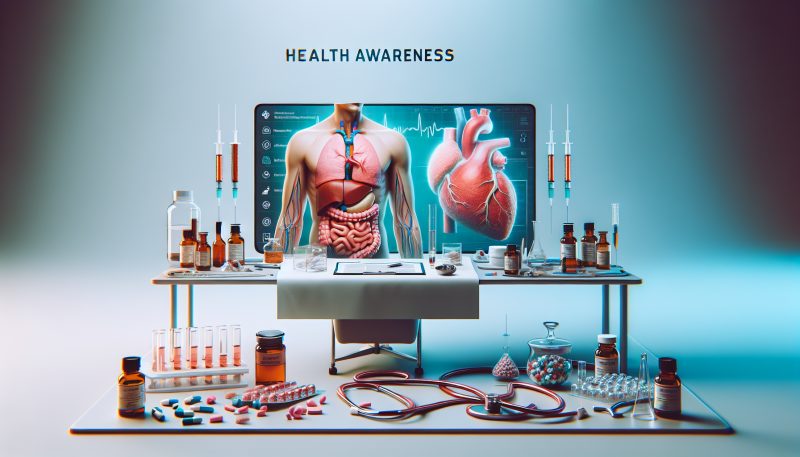
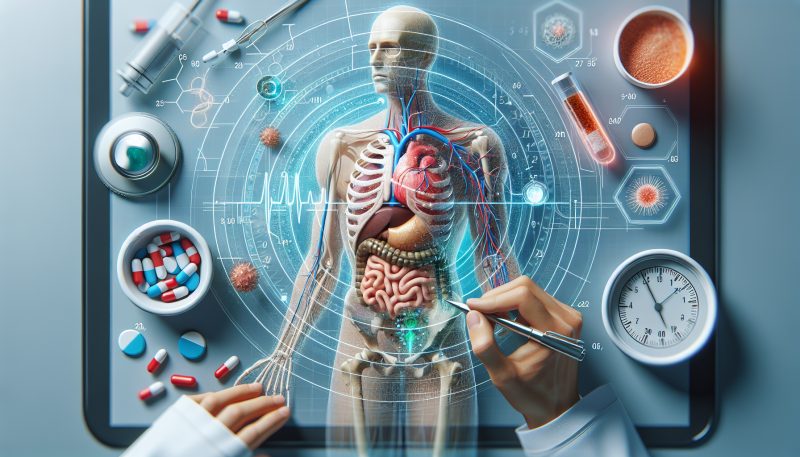
When most people think about addiction, they focus on the behavioural patterns — the compulsive seeking, the inability to stop, the broken relationships. But beneath the surface, something far more dangerous is happening inside the body. Addiction is not merely a psychological condition; it is a profound physiological crisis that simultaneously destroys vital organs and dysregulates the emotional systems that make us human. Understanding the connection between organs and emotions in addiction is not just medically important — it is essential for anyone seeking lasting recovery.
The relationship between the body’s organs and emotional states has been recognised for centuries, from ancient Chinese medicine to modern neuroscience. Today, clinical research confirms what holistic practitioners long suspected: chronic substance abuse damages specific organs in ways that directly intensify emotional suffering, creating a vicious cycle that makes addiction increasingly difficult to escape without professional intervention.
Why Addiction Attacks Both the Body and the Mind Simultaneously
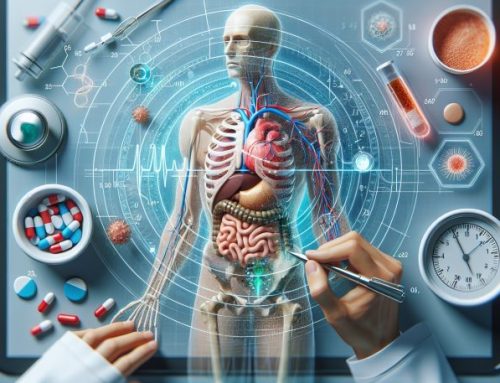
Every psychoactive substance — whether alcohol, opioids, cocaine, methamphetamine, or prescription medications — enters the bloodstream and affects multiple organ systems at once. These substances hijack the brain’s reward and stress response systems, flooding neural pathways with artificial levels of dopamine, serotonin, and other neurotransmitters. At the same time, they inflict measurable physical damage on the liver, heart, kidneys, lungs, and digestive system.
What makes this doubly dangerous is that organ damage feeds back into emotional dysregulation. A liver struggling to metabolise toxins cannot properly regulate hormones that influence mood. A heart under chemical stress triggers the nervous system into chronic states of anxiety and hypervigilance. The body and mind are not separate systems — they are one integrated whole, and addiction exploits that integration with devastating efficiency.
The Liver and Emotional Regulation: Anger, Frustration, and Toxic Build-Up
The liver is one of the first organs to bear the brunt of substance abuse, particularly with alcohol and certain drugs. Clinically, liver disease — including fatty liver, alcoholic hepatitis, and cirrhosis — is among the most common consequences of long-term addiction. But the liver’s role extends far beyond detoxification.
In functional medicine and traditional systems of health, the liver is strongly associated with emotional states including anger, irritability, and frustration. Modern science supports this connection: a damaged liver cannot properly metabolise hormones such as oestrogen and cortisol, leading to hormonal imbalances that manifest as mood swings, explosive anger, and chronic irritability. Individuals suffering from liver damage caused by addiction frequently report heightened emotional volatility — which in turn drives further substance use as self-medication.
The Heart, Lungs, and the Emotional Weight of Grief and Anxiety
The cardiovascular system is acutely vulnerable to stimulant drugs such as cocaine and methamphetamine, as well as to chronic alcohol abuse. These substances cause arrhythmias, hypertension, cardiomyopathy, and dramatically increased risk of heart attack and stroke. But beyond the physical threat, heart dysfunction creates a persistent state of physiological alarm.
When the heart is under stress, the autonomic nervous system responds by activating fight-or-flight responses, flooding the body with adrenaline and cortisol. This physiological state is experienced emotionally as anxiety, panic, and dread — sensations that mirror the emotional profile of many people struggling with addiction. Individuals often cannot distinguish between anxiety caused by their life circumstances and anxiety generated by cardiovascular damage, making accurate emotional self-awareness nearly impossible without clinical support.
The lungs, damaged by smoking, crack cocaine, or inhalants, are linked in many clinical frameworks to emotions of grief, sadness, and unresolved loss. Reduced lung capacity creates a chronic sensation of breathlessness and fatigue that deepens depressive states, further entrenching the cycle of substance dependence.
The Kidneys, Adrenal Glands, and Chronic Fear
The kidneys and adrenal glands are closely related in both anatomy and function. Chronic substance abuse — particularly stimulants, alcohol, and some prescription drugs — places enormous stress on the kidneys, potentially leading to acute kidney injury and chronic kidney disease. The adrenal glands, which sit atop the kidneys and regulate the body’s stress response, become exhausted through prolonged periods of substance-induced hyperactivation.
Adrenal fatigue resulting from addiction creates a persistent emotional landscape dominated by fear, insecurity, and existential dread. Individuals feel chronically unsafe even in objectively secure environments, because their bodies are physiologically incapable of producing a balanced stress response. This is a major contributor to post-acute withdrawal syndrome (PAWS), one of the most significant barriers to sustained recovery.
The Gut-Brain Axis: How Digestive Damage Creates Emotional Chaos
Recent neuroscience has confirmed what gastroenterologists have long observed: the gut is the body’s second brain. The gastrointestinal system contains approximately 100 million neurons and produces around 90% of the body’s serotonin — the neurotransmitter most directly associated with feelings of wellbeing, calm, and emotional stability.
Alcohol, opioids, and other substances cause severe damage to the gut lining, disrupt the intestinal microbiome, and impair serotonin production. The consequences are profound: depression, emotional numbness, impulsivity, and anxiety all worsen as gut health deteriorates. This is why individuals in addiction frequently experience crushing depression even during periods of abstinence — their digestive systems have been so damaged that they cannot produce adequate mood-stabilising neurochemicals without targeted therapeutic intervention.
The Pancreas, Blood Sugar, and Emotional Instability
Chronic alcohol abuse is one of the leading causes of pancreatitis — inflammation of the pancreas — as well as type 2 diabetes and hypoglycaemia. The pancreas regulates blood sugar, and its dysfunction creates extreme blood glucose fluctuations that translate directly into emotional volatility.
Individuals with addiction-related pancreatic damage experience intense episodes of irritability, rage, tearfulness, and confusion that are directly driven by blood sugar dysregulation. These emotional episodes are frequently misattributed to psychological causes alone, delaying appropriate medical diagnosis and treatment.
The Nervous System: Where Organ Damage and Emotional Collapse Meet
Ultimately, all organ damage caused by addiction converges on the central and peripheral nervous systems. Substances cause neuroinflammation, neurotoxicity, and neurodegeneration — physically altering the brain structures responsible for emotional processing, impulse control, decision-making, and empathy. The prefrontal cortex, which governs rational thought and emotional regulation, shrinks in volume with prolonged heavy use. The amygdala, which processes fear and threat, becomes hyperactive.
This neurological remodelling is why addiction is classified as a chronic brain disease by major medical organisations worldwide, including the World Health Organisation. It explains why willpower alone is insufficient — the very brain systems needed to choose recovery have been compromised by the substances themselves.
Why Professional Treatment Is Non-Negotiable
The organ-emotion connection in addiction reveals a critical truth: recovery must address both the physical and emotional dimensions of the disease simultaneously. Treating emotional symptoms without repairing organ damage is incomplete. Detoxifying the body without addressing the emotional roots and consequences of addiction leads to relapse.
Effective, evidence-based treatment programmes at accredited centres provide medically supervised detoxification, organ health assessment and treatment, psychotherapy and trauma-informed care, nutritional rehabilitation to restore gut and liver health, and long-term aftercare planning. European Addiction Centers connects patients with professional treatment facilities across Europe that offer precisely this integrated approach. If you or someone you love is struggling with addiction, seeking professional help is not optional — it is life-saving.
Frequently Asked Questions About Organs, Emotions, and Addiction
1. Can organ damage caused by addiction be reversed?
In many cases, yes — particularly if identified and treated early. The liver, for example, has remarkable regenerative capacity. However, advanced conditions such as cirrhosis, severe cardiomyopathy, or chronic kidney disease may cause permanent damage. This is why early professional intervention is absolutely critical.
2. Why do people in addiction feel so emotionally unstable?
Emotional instability in addiction results from a combination of factors: neurochemical imbalances caused by substance use, organ damage that disrupts hormone and neurotransmitter production, trauma responses, and the psychological consequences of an out-of-control lifestyle. All of these factors must be addressed in treatment.
3. Is depression in addiction caused by the drugs or by organ damage?
Both. Substances directly alter brain chemistry, causing depression. But organ damage — particularly to the liver and gut — further reduces the body’s capacity to produce mood-regulating neurochemicals like serotonin and dopamine, deepening and prolonging depressive episodes.
4. What is the gut-brain axis and why does it matter in addiction recovery?
The gut-brain axis is the bidirectional communication network between the gastrointestinal system and the brain. Because the gut produces approximately 90% of the body’s serotonin, damage to the gut lining from substance abuse directly impairs emotional wellbeing. Healing the gut is an important component of comprehensive addiction recovery.
5. How does liver damage affect emotions?
A damaged liver cannot efficiently metabolise hormones such as cortisol and oestrogen. This leads to hormonal imbalances that cause irritability, anger, mood swings, and fatigue. In severe liver disease, the build-up of toxins in the blood can also cause hepatic encephalopathy, a serious condition involving confusion and personality changes.
6. Can anxiety during addiction be caused by heart damage?
Yes. Cardiovascular damage caused by stimulants or chronic alcohol abuse activates the body’s stress response system, generating physiological symptoms — racing heart, chest tightness, breathlessness — that are experienced as anxiety or panic attacks. This physical anxiety compounds psychological anxiety, creating a severe and debilitating emotional burden.
7. What is post-acute withdrawal syndrome (PAWS)?
Post-acute withdrawal syndrome (PAWS) refers to a prolonged set of withdrawal symptoms that persist weeks to months after acute detoxification. Symptoms include anxiety, depression, irritability, cognitive difficulties, and sleep disturbances. PAWS is partly driven by adrenal exhaustion, neurological damage, and gut dysfunction — all organ-related consequences of addiction.
8. Do all drugs damage the same organs?
No. Different substances target different organs preferentially. Alcohol primarily damages the liver, pancreas, and brain. Stimulants severely impact the heart and blood vessels. Opioids affect the digestive system, lungs, and immune system. Inhalants damage the lungs, kidneys, and brain. However, virtually all substances cause some degree of brain damage over time.
9. Why can’t people with addiction simply stop using willpower?
Because addiction physically alters the brain. The prefrontal cortex — responsible for rational decision-making and impulse control — is structurally damaged by prolonged substance use. The brain’s reward system becomes rewired to prioritise substances above all else. This is a biological reality, not a moral failure, and it is why professional medical and psychological treatment is essential.
10. How can European Addiction Centers help with addiction treatment?
European Addiction Centers (EAC) connects individuals and families with accredited, professional addiction treatment centres across Europe. These centres provide integrated medical and psychological care that addresses both the physical organ damage and the emotional consequences of addiction. If you or a loved one needs help, contact EAC today to find the right treatment programme for your specific needs.
11. Is emotional trauma a cause or consequence of addiction?
Frequently, both. Unresolved emotional trauma is one of the most significant risk factors for developing addiction, as individuals use substances to self-medicate painful emotions. However, addiction then generates further trauma — relationship breakdown, loss, shame — and organ damage that creates additional emotional suffering, making trauma both a root cause and an ongoing consequence of the disease.
12. What type of treatment addresses both organ health and emotional healing in addiction?
Comprehensive, integrated addiction treatment programmes that include medically supervised detoxification, organ health assessments (liver function tests, cardiac monitoring, etc.), psychotherapy (including trauma-focused therapies such as EMDR and CBT), nutritional support, and aftercare planning are the gold standard. These programmes treat the whole person — body and mind — rather than symptoms in isolation.



Leave A Comment