


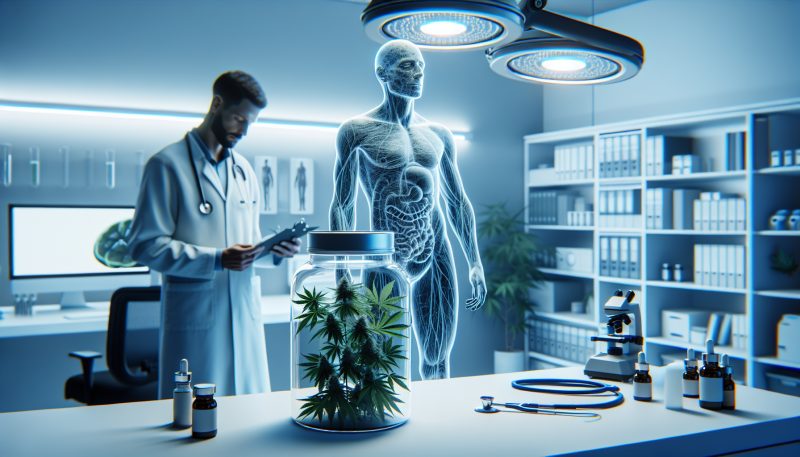
How Long Does Cannabis Stay in Your Body?
Cannabis is the most widely consumed illicit substance in Europe, and yet many users dramatically underestimate how long it remains detectable — and active — in the body. Whether you are concerned about a drug test, worried about dependency, or trying to understand the health risks of cannabis use, knowing how this substance behaves inside the human body is critical. The answer is not simple: cannabis can linger in your system for days, weeks, or even months depending on a range of biological and behavioural factors.
More importantly, the fact that cannabis metabolites persist in the body long after use reflects a deeper truth: this is a substance that deeply integrates itself into your physiology — and for many users, into their psychology as well. Understanding detection times is only the beginning. The real concern is what prolonged cannabis exposure does to your health, your brain, and your life.
What Happens When You Consume Cannabis?
When cannabis is smoked, vaped, or ingested, its primary psychoactive compound — delta-9-tetrahydrocannabinol (THC) — is rapidly absorbed into the bloodstream. THC binds to cannabinoid receptors in the brain, producing the well-known “high.” However, THC is quickly converted by the liver into metabolites, most notably THC-COOH (11-nor-9-carboxy-THC), a fat-soluble compound that is stored in fatty tissues and organs throughout the body.
Because THC-COOH is lipophilic (fat-soluble), it is released slowly back into the bloodstream over time, making cannabis one of the longest-detectable substances after a single use. This slow release is also why heavy users can test positive long after they believe the drug has left their system — a dangerous misconception that leads many to underestimate their level of dependence.
Cannabis Detection Times by Test Type
Detection windows vary significantly depending on which biological sample is being tested. Below is a general overview based on current medical and toxicological evidence:
Urine Tests (Most Common)
- Single or occasional use (1-3 times): 3 to 7 days
- Moderate use (4 times per week): 5 to 7 days
- Chronic daily use: 10 to 21 days
- Heavy, long-term use: Up to 30 days or more
Blood Tests
- Occasional use: 1 to 2 days
- Chronic heavy use: Up to 7 days
Saliva Tests
- Occasional use: 1 to 3 days
- Frequent use: Up to 7 days
Hair Follicle Tests
- THC metabolites can be detected in hair for up to 90 days, and in some cases even longer for heavy users.
These are estimates. Individual results vary significantly, and no user should assume they are “clean” based on average timelines alone.
Key Factors That Affect How Long Cannabis Stays in Your System
There is no universal answer to this question. Multiple factors determine exactly how long cannabis metabolites remain detectable in your body:
- Frequency of use: The more often you use cannabis, the more THC-COOH accumulates in fatty tissue, extending detection windows significantly.
- Dosage and potency: Modern cannabis strains contain much higher THC concentrations than those available decades ago, meaning more metabolites are produced per use.
- Body fat percentage: Since THC is fat-soluble, individuals with higher body fat percentages retain metabolites for longer periods.
- Metabolism rate: People with faster metabolisms process and eliminate THC more quickly.
- Hydration and exercise: Adequate hydration and physical activity can moderately accelerate elimination, though these factors are often overstated in popular myths.
- Method of consumption: Edibles produce higher concentrations of certain metabolites and may result in longer detection windows than smoked cannabis.
- Age and overall health: Liver function, kidney health, and age all influence how efficiently the body processes THC.
The Dangers of Cannabis: Far More Than a Detection Problem
While detection times matter for practical reasons, they are secondary to the far more serious issue: the health and addiction dangers posed by regular cannabis use. Society often frames cannabis as harmless or even beneficial, but the scientific evidence tells a much more alarming story.
Cannabis Use Disorder (CUD)
Cannabis Use Disorder is a recognised clinical condition affecting approximately 9% of all users, rising to around 17% among those who begin using in adolescence and up to 50% among daily users. Symptoms include cravings, tolerance, withdrawal, and inability to cut down despite negative consequences. This is a genuine addiction that requires professional treatment.
Cognitive and Mental Health Damage
Chronic cannabis use is strongly associated with memory impairment, reduced attention span, and executive dysfunction. In adolescents and young adults whose brains are still developing, these effects can be permanent. Cannabis use has also been linked to an increased risk of psychosis, schizophrenia, anxiety disorders, and depression, particularly in genetically predisposed individuals.
Withdrawal Syndrome
Despite widespread beliefs to the contrary, cannabis withdrawal is real and clinically significant. Symptoms can include:
- Irritability, anger, and aggression
- Insomnia and disturbing dreams
- Anxiety and restlessness
- Loss of appetite and weight loss
- Depressed mood
- Physical symptoms including sweating, headaches, and stomach pain
These symptoms typically begin within 24–72 hours of cessation and can last for 1–3 weeks, making unsupported quitting extremely difficult.
Respiratory and Cardiovascular Risks
Smoked cannabis exposes the lungs to many of the same carcinogens and irritants found in tobacco smoke, increasing the risk of chronic bronchitis and respiratory infections. Cannabis use also triggers acute cardiovascular events, including increased heart rate and, in rare cases, heart attack or stroke, particularly in individuals with pre-existing conditions.
Gateway Potential and Polydrug Use
Research consistently shows that early and heavy cannabis use is associated with increased rates of polydrug use — the concurrent use of multiple substances — as well as higher risks of developing dependency on other substances such as alcohol, stimulants, or opioids.
Common Myths About Eliminating Cannabis Faster
Many people search desperately for ways to “flush” cannabis from their system quickly. It is important to address these myths directly:
- Drinking excessive water: While hydration supports normal kidney function, it does not significantly accelerate THC elimination and can, in extreme cases, cause hyponatremia (dangerously low sodium levels).
- Detox drinks and supplements: There is no clinical evidence that any commercially available detox product reliably eliminates cannabis metabolites faster.
- Exercising before a test: Exercise can actually temporarily increase THC metabolite levels in the blood by mobilising stored fat, potentially worsening test results.
- Sweating it out in a sauna: This has no proven effect on cannabis detection windows.
The only reliable method is time — and for heavy users, that time can be measured in weeks or months, not days.
When Cannabis Use Becomes a Problem Requiring Professional Help
If you are regularly using cannabis and finding yourself concerned about detection times, that concern itself may be a signal worth examining. Ask yourself:
- Do you use cannabis daily or near-daily?
- Have you tried to stop and found it extremely difficult?
- Is cannabis use affecting your work, relationships, or mental health?
- Do you experience withdrawal symptoms when you try to stop?
- Are you using more cannabis now than you did when you started?
If you answered yes to any of these questions, you may be experiencing Cannabis Use Disorder. This is a medical condition — not a moral failing — and it is entirely treatable with the right professional support.
European Addiction Centers (EAC) connects patients across Europe with accredited, specialist treatment facilities offering medically supervised detox, evidence-based therapies such as Cognitive Behavioural Therapy (CBT), motivational enhancement therapy, and long-term recovery support. Help is available — and it works.
Frequently Asked Questions About Cannabis in the Body
1. How long does cannabis stay in urine for a first-time user?
For a first-time or single-use occasion, THC metabolites are typically detectable in urine for 3 to 7 days. However, individual factors such as metabolism, hydration, and body composition can extend or shorten this window.
2. Can cannabis be detected in a hair test after 3 months?
Yes. Hair follicle tests are the most sensitive detection method and can identify cannabis use for up to 90 days or longer, particularly in chronic or heavy users. This makes hair testing the preferred method for employment and legal contexts requiring historical drug use information.
3. Does CBD (cannabidiol) show up on a drug test?
Pure CBD products should not trigger a positive result for THC. However, many CBD products contain trace amounts of THC, and cumulative use of full-spectrum CBD products may lead to detectable THC metabolite levels. Users should always check product labels and choose THC-free isolates if drug testing is a concern.
4. Is it possible to speed up the elimination of cannabis from the body?
There is no medically proven method to significantly accelerate THC elimination. Time, adequate hydration, a healthy diet, and normal physical activity are the only genuinely supportive factors. Commercial detox kits and “cleansing” products have no reliable scientific backing.
5. Can second-hand cannabis smoke cause a positive drug test?
In normal, everyday exposure conditions, second-hand cannabis smoke is extremely unlikely to produce a positive drug test. However, in enclosed spaces with very heavy direct smoke exposure, trace levels of THC metabolites may occasionally appear, though rarely at concentrations that trigger a positive result under standard cutoff levels.
6. Why do heavy cannabis users test positive for so much longer than occasional users?
Heavy users accumulate large amounts of THC-COOH in fatty tissues over time. The body releases these stored metabolites gradually, meaning the excretion process continues long after the last use. This is why a daily user may test positive for 30 days or more, while an occasional user may be clear within a week.
7. Is cannabis addiction real?
Absolutely. Cannabis Use Disorder is classified as a substance use disorder by both the DSM-5 and ICD-11. It involves compulsive use despite negative consequences, tolerance, and a defined withdrawal syndrome. Approximately one in ten users develops dependency, with higher rates among daily users and those who started young.
8. What are the symptoms of cannabis withdrawal?
Cannabis withdrawal symptoms include irritability, anxiety, insomnia, loss of appetite, depression, headaches, sweating, and stomach cramps. These typically begin within 24–72 hours of stopping use and may last 1–3 weeks. Medically supervised detox can help manage these symptoms safely.
9. Does cannabis affect mental health?
Yes, significantly. Chronic cannabis use is associated with increased risks of anxiety, depression, psychosis, and schizophrenia. The risk is highest for adolescents, heavy users, and those with a personal or family history of mental health conditions. High-potency THC products amplify these risks considerably.
10. How can I get help for cannabis addiction in Europe?
European Addiction Centers (EAC) offers access to a network of accredited treatment centres across Europe, providing medically supervised cannabis detox, individual and group therapy, Cognitive Behavioural Therapy (CBT), and comprehensive aftercare planning. You can reach out confidentially at any time — recovery from cannabis addiction is absolutely possible with the right support.
11. Can cannabis use affect pregnancy?
Yes. Cannabis use during pregnancy is associated with low birth weight, premature birth, developmental delays, and long-term cognitive and behavioural problems in children. THC crosses the placental barrier and is present in breast milk. There is no safe level of cannabis use during pregnancy or breastfeeding.
12. How does cannabis potency today compare to past decades?
Modern cannabis strains are dramatically more potent than those available in previous decades. Average THC concentrations in seized cannabis products across Europe have risen from around 5–7% in the 1990s to over 15–25% today in some varieties, with concentrates and extracts sometimes exceeding 80% THC. This increased potency is directly linked to higher rates of dependency and more severe adverse effects.





Leave A Comment