


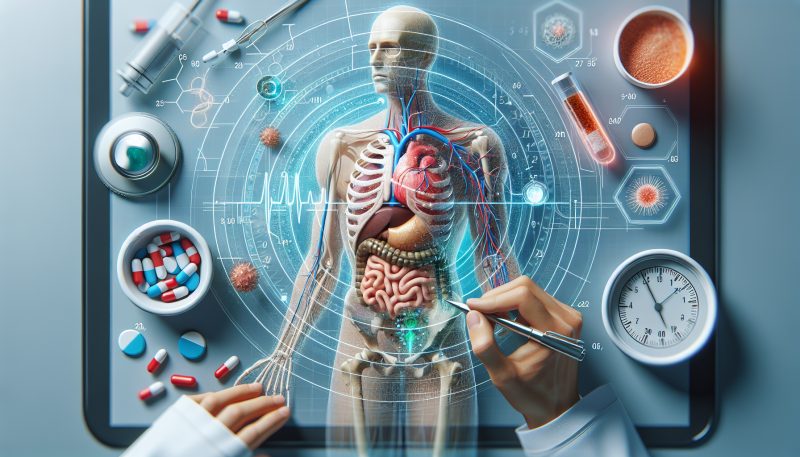
How Long Do Drugs Stay in Your Body?
Understanding how long drugs stay in the body is critical for several reasons — from medical safety and drug testing to recognising the severity of substance dependence. Whether you are concerned about a loved one, facing a workplace drug screening, or seeking help for yourself, knowing the detection windows of common substances can be a wake-up call about the real impact these chemicals have on the human organism. More importantly, it underscores why professional addiction treatment is so urgently needed.
Drugs do not simply disappear the moment their effects wear off. Many substances linger in the bloodstream, urine, saliva, and hair for days, weeks, or even months — silently damaging organs, altering brain chemistry, and reinforcing the cycle of physical and psychological dependence.
Why Drug Detection Times Matter
The length of time a drug remains detectable in the body is influenced by multiple factors, including the type of substance, the dose taken, the frequency of use, and the individual’s metabolism. Understanding these timelines is not just relevant for drug tests — it is a window into the cumulative toxicity and lasting harm that substances inflict on the body.
For people struggling with addiction, prolonged drug presence in the body means prolonged exposure to toxins, continued strain on the liver and kidneys, and an ongoing disruption of the brain’s natural dopamine reward system. The longer and more frequently a substance is used, the deeper the damage — and the more urgent the need for professional intervention.
Detection Windows by Drug Type
Below is an overview of the most commonly abused substances and their approximate detection times across different biological samples. These are general estimates; individual results may vary.
Cannabis (Marijuana / THC)
- Urine: 3–30 days (up to 90 days in heavy users)
- Blood: 1–7 days
- Saliva: 1–3 days
- Hair: Up to 90 days
THC, the psychoactive compound in cannabis, is fat-soluble, meaning it accumulates in fatty tissues and is released slowly over time. Chronic users face the longest detection windows, and prolonged use is associated with cannabis use disorder, memory impairment, anxiety, and psychosis — particularly in young people whose brains are still developing.
Cocaine
- Urine: 2–4 days (up to 12 days in heavy users)
- Blood: 12–24 hours
- Saliva: 1–2 days
- Hair: Up to 90 days
Although cocaine metabolises relatively quickly, its cardiovascular dangers — including heart attack, stroke, and cardiac arrhythmia — can occur with even a single use. Repeated use leads rapidly to cocaine dependence, with users requiring increasingly larger doses to achieve the same effect.
Heroin and Opioids
- Urine: 2–7 days
- Blood: 6–12 hours
- Saliva: 1–4 days
- Hair: Up to 90 days
Opioid addiction is one of the most dangerous and difficult dependencies to overcome. Even after the drug clears the bloodstream, the neurological changes it causes can persist for months or years, driving intense cravings and withdrawal symptoms. Opioid overdose remains a leading cause of drug-related death across Europe.
Amphetamines and Methamphetamine
- Urine: 2–5 days
- Blood: 12–24 hours
- Saliva: 1–4 days
- Hair: Up to 90 days
Methamphetamine causes severe and lasting damage to dopaminergic neurons in the brain. Users often experience profound cognitive decline, paranoia, and psychosis. Even after detoxification, the brain may take years to recover — and in some cases, the damage is permanent.
MDMA (Ecstasy / Molly)
- Urine: 2–4 days
- Blood: 1–2 days
- Saliva: 1–2 days
- Hair: Up to 90 days
Despite its perception as a “party drug,” MDMA causes serious damage to serotonergic pathways, leading to depression, anxiety, and impaired memory. Repeated use dramatically increases the risk of neurotoxicity and long-term mental health disorders.
Benzodiazepines
- Urine: 2–10 days (up to 6 weeks in chronic users)
- Blood: 2–3 days
- Saliva: 1–10 days
- Hair: Up to 90 days
Benzodiazepine dependence often develops even when the medication is taken as prescribed. Withdrawal from benzodiazepines can be life-threatening, causing seizures and severe anxiety. This makes medically supervised detox absolutely essential.
Alcohol
- Urine: 12–48 hours (EtG tests: up to 80 hours)
- Blood: 6–12 hours
- Saliva: 12–24 hours
- Hair: Up to 90 days
While alcohol clears the blood relatively quickly, chronic alcohol use disorder causes devastating long-term damage, including liver cirrhosis, heart disease, neurological disorders, and increased cancer risk. Alcohol withdrawal can also be medically dangerous without supervision.
Factors That Influence How Long Drugs Remain in the Body
Detection times are not fixed — they vary considerably depending on individual and contextual factors:
- Metabolic rate: People with faster metabolisms process substances more quickly.
- Body fat percentage: Fat-soluble drugs like THC accumulate in fatty tissue and are released more slowly.
- Age and organ health: Older individuals or those with liver or kidney disease clear drugs more slowly.
- Hydration levels: Adequate hydration can dilute urine and affect concentration of metabolites.
- Frequency and quantity of use: Chronic, heavy users retain drugs in their systems far longer than occasional users.
- Polysubstance use: Using multiple substances simultaneously can dramatically alter how each is metabolised.
The Dangers of Prolonged Drug Presence in the Body
Beyond drug testing, the real danger of drugs staying in your system lies in their cumulative physiological and neurological damage. Chronic substance use causes:
- Organ damage — particularly to the liver, kidneys, heart, and lungs
- Brain chemistry alteration — leading to depression, anxiety, psychosis, and cognitive decline
- Immune system suppression — making users more vulnerable to infections and disease
- Hormonal disruption — affecting reproductive health, growth, and mood regulation
- Increased overdose risk — especially when tolerance drops after a period of abstinence
These dangers multiply when substances are used together or combined with alcohol, a practice known as polysubstance abuse, which significantly increases the risk of fatal overdose.
When Drug Use Becomes Addiction: Recognising the Signs
One of the most alarming truths about substance use is how quickly it can cross the line from recreational experimentation to full-blown substance use disorder (SUD). Signs that someone needs professional help include:
- Inability to stop using despite wanting to
- Continued use despite serious physical or psychological consequences
- Neglecting responsibilities at work, school, or home
- Experiencing withdrawal symptoms when not using
- Increasing tolerance — needing more to achieve the same effect
- Obsessive thinking about obtaining and using the substance
If any of these signs are present, professional addiction treatment is not optional — it is life-saving.
How Professional Treatment Can Help
At European Addiction Centers (EAC), we connect individuals and families with accredited, evidence-based treatment programmes across Europe. Effective addiction treatment typically involves:
- Medical detoxification — safely managing withdrawal under clinical supervision
- Residential rehabilitation — structured inpatient programmes with therapeutic support
- Cognitive Behavioural Therapy (CBT) — addressing the root causes of addictive behaviour
- Dual diagnosis treatment — addressing co-occurring mental health disorders
- Aftercare and relapse prevention — building long-term strategies for sustained recovery
Recovery is possible. With the right professional support, individuals can overcome even the most severe substance dependencies and reclaim their health and lives.
Frequently Asked Questions About How Long Drugs Stay in Your Body
1. How long does cannabis stay in urine?
For occasional users, cannabis (THC) is typically detectable in urine for 3–7 days. For daily or heavy users, it can remain detectable for up to 30 days, and in some extreme cases, as long as 90 days due to its fat-soluble nature.
2. Can drinking water help flush drugs out of your system faster?
Staying hydrated may slightly dilute drug metabolites in urine, but it does not significantly accelerate the body’s natural metabolism and elimination process. There is no reliable method to rapidly clear drugs from the system, and attempting to do so can be dangerous.
3. Why do drugs stay longer in hair than in urine or blood?
When drugs are metabolised, trace metabolites are deposited into the hair follicle as hair grows. Since hair grows approximately 1 cm per month, a 3 cm hair sample can reveal substance use over the past 90 days — making hair testing the most comprehensive detection method.
4. Does everyone metabolise drugs at the same rate?
No. Drug metabolism varies widely based on age, genetic makeup, liver function, body composition, hydration, and frequency of use. Two people who use the same substance in the same amount may test positive for very different lengths of time.
5. Is it dangerous to stop using drugs suddenly?
Yes, for many substances — including alcohol, benzodiazepines, and opioids — abrupt cessation can trigger severe and potentially life-threatening withdrawal symptoms. It is essential to undergo detox under medical supervision rather than attempting to stop alone.
6. Can prescription drugs show up on a drug test?
Yes. Many prescription medications, including opioid painkillers, benzodiazepines, and stimulants like Adderall, can produce positive results on standard drug tests. If you have a valid prescription, it is important to disclose this to the testing authority beforehand.
7. How long does cocaine stay detectable in blood?
Cocaine is typically detectable in the blood for only 12–24 hours after use. However, its primary metabolite, benzoylecgonine, can be detected in urine for 2–4 days, and longer in heavy users.
8. Are there drugs that can stay in the body for months?
Yes. Hair follicle testing can detect virtually all substances for up to 90 days. Additionally, some long-acting benzodiazepines and their metabolites can remain in urine for several weeks, particularly with chronic use.
9. What is the relationship between drug detection times and addiction severity?
Longer detection windows often correlate with heavier and more frequent use, which is a strong indicator of substance dependence. If a substance remains in the system for an unusually long time, it typically signals a pattern of use that requires professional addiction assessment and treatment.
10. Can drug use damage the body even after the substance has been eliminated?
Absolutely. Many substances cause permanent structural and chemical changes to the brain and organs that persist long after the drug has been cleared. This includes neurological damage, liver scarring, cardiovascular disease, and lasting mental health conditions such as depression and psychosis.
11. What should I do if I or someone I know has a drug problem?
Seek professional help immediately. Contact European Addiction Centers (EAC) to speak with an addiction specialist who can guide you toward the right treatment programme. Early intervention dramatically improves outcomes, and recovery is achievable with the right support.
12. Is it possible to overcome addiction after long-term drug use?
Yes — recovery is possible at any stage. While long-term use may cause more complex physical and psychological damage, comprehensive treatment including medical detox, therapy, and ongoing support has helped thousands of people achieve lasting sobriety. It is never too late to seek help.





Leave A Comment