


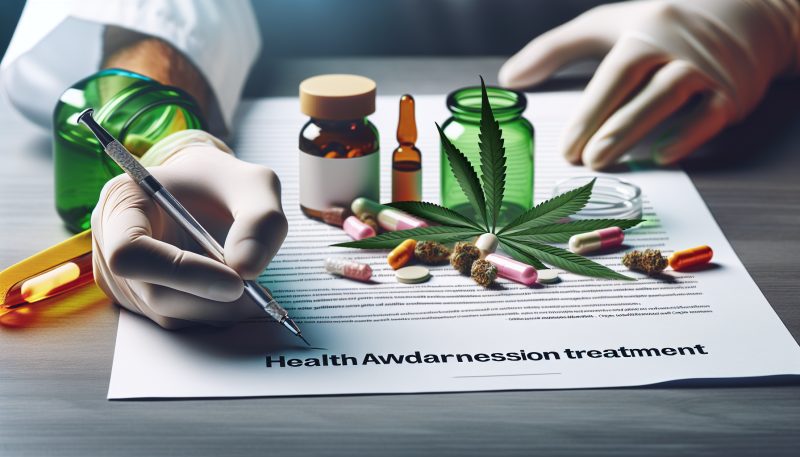
Understanding Cannabis Addiction: More Serious Than You Think
For decades, cannabis has been widely perceived as a “harmless” recreational substance. This dangerous misconception has led millions of people across Europe to underestimate the very real risks of cannabis use disorder. The truth is that cannabis addiction is a clinically recognized condition that can devastate mental health, destroy relationships, and derail professional lives. If you or someone you love is struggling, understanding the problem is the first step toward finding effective cannabis addiction treatment.
According to the European Monitoring Centre for Drugs and Drug Addiction (EMCDDA), cannabis remains the most widely used illicit substance in Europe, with millions of individuals reporting daily or near-daily use. Among regular users, approximately 1 in 10 people will develop a dependency. That number rises sharply to 1 in 6 for those who begin using in adolescence — a statistic that underscores the urgency of early intervention and professional support.
What Is Cannabis Use Disorder?
Cannabis Use Disorder (CUD) is a medical condition defined by the compulsive, uncontrolled use of cannabis despite significant negative consequences. It is listed in the Diagnostic and Statistical Manual of Mental Disorders (DSM-5) and is recognized by healthcare systems across Europe. CUD exists on a spectrum, ranging from mild to severe, but even mild cases can escalate rapidly without proper intervention.
Key Signs and Symptoms of Cannabis Addiction
- Using cannabis in larger amounts or over a longer period than intended
- Persistent desire or unsuccessful efforts to cut down or control use
- Spending a significant amount of time obtaining, using, or recovering from cannabis
- Intense cannabis cravings that dominate daily thinking
- Failure to fulfill major role obligations at work, school, or home
- Continued use despite persistent social or interpersonal problems
- Giving up important social, occupational, or recreational activities
- Developing tolerance — needing more cannabis to achieve the same effect
- Experiencing withdrawal symptoms when stopping use
The Hidden Dangers of Long-Term Cannabis Use
One of the most insidious aspects of cannabis addiction is how gradually its damage accumulates. Many users do not recognize the harm being done until it has already significantly impacted their lives. The dangers are both psychological and physical, and they intensify with the duration and frequency of use.
Mental Health Consequences
The link between heavy cannabis use and mental health disorders is well-established in medical literature. Chronic cannabis use significantly increases the risk of developing psychosis, schizophrenia, and other serious psychiatric conditions, particularly in genetically predisposed individuals. Depression, anxiety disorders, and panic attacks are also extremely common among heavy users. Prolonged use is associated with amotivational syndrome — a state of profound apathy, lack of drive, and emotional blunting that can persist long after use has stopped.
Cognitive Impairment
Regular cannabis use impairs memory, concentration, decision-making, and executive function. Studies show that adolescents who use cannabis heavily experience measurable reductions in IQ and long-term cognitive capacity. Even in adults, heavy use is linked to reduced verbal learning ability and diminished attention span — effects that can be slow to reverse and, in some cases, become permanent.
Physical Health Risks
Smoking cannabis exposes users to many of the same carcinogens found in tobacco. Chronic bronchitis, respiratory infections, and lung damage are common among long-term users. Cannabis use has also been associated with cardiovascular complications, including increased heart rate and a heightened risk of heart attack, particularly in older users or those with pre-existing conditions.
Social and Professional Damage
Cannabis addiction routinely causes relationship breakdowns, job loss, academic failure, and financial instability. The lifestyle built around daily cannabis use often leads to social isolation, as the substance gradually replaces meaningful human connection and productive activity.
Cannabis Withdrawal: A Real and Challenging Process
A common myth is that cannabis withdrawal does not exist. In reality, cannabis withdrawal syndrome is a clinically documented condition that affects a significant proportion of dependent users who attempt to quit. Symptoms typically begin within 24–72 hours of cessation and can last up to two weeks or longer.
Common Cannabis Withdrawal Symptoms
- Severe irritability, mood swings, and aggression
- Anxiety and restlessness
- Insomnia and vivid, disturbing dreams
- Loss of appetite and weight loss
- Intense drug cravings
- Headaches, sweating, and physical discomfort
- Depression and emotional dysregulation
These symptoms are a major driver of relapse and are one of the most compelling reasons why attempting to quit cannabis without professional support is so frequently unsuccessful. Medically supervised detoxification dramatically improves outcomes and reduces suffering during this critical phase.
Effective Cannabis Addiction Treatment Options
The good news is that cannabis addiction is treatable. With the right combination of professional support, evidence-based therapies, and a structured environment, full recovery is entirely achievable. Treatment is not one-size-fits-all — the most effective programmes are tailored to the individual’s history, severity of addiction, and co-occurring mental health conditions.
Medical Detoxification
Medically supervised detox is often the first stage of treatment for individuals with moderate to severe cannabis dependence. A clinical team monitors the patient through withdrawal, managing symptoms and ensuring safety. While there is currently no specific pharmacological treatment approved solely for cannabis withdrawal, medications may be used to address sleep disturbances, anxiety, and mood instability during this period.
Cognitive Behavioural Therapy (CBT)
Cognitive Behavioural Therapy is the gold-standard psychological treatment for cannabis addiction. CBT helps patients identify the thought patterns and emotional triggers that drive their cannabis use, develop healthy coping strategies, and build the skills necessary to resist cravings and prevent relapse. Research consistently shows CBT to be highly effective in achieving and maintaining abstinence.
Motivational Enhancement Therapy (MET)
Motivational Enhancement Therapy is a structured counselling approach designed to strengthen a person’s internal motivation to change. It is particularly useful for patients who are ambivalent about quitting cannabis and has been shown to significantly improve treatment engagement and long-term outcomes.
Residential Rehabilitation Programmes
For individuals with severe addiction or those who have failed outpatient treatment, residential rehabilitation offers an immersive, structured environment free from the triggers and pressures of everyday life. Inpatient programmes typically combine detox, individual therapy, group therapy, family counselling, and aftercare planning. The focused, supportive environment of a residential facility gives patients the best possible foundation for lasting recovery.
Dual Diagnosis Treatment
Many individuals struggling with cannabis addiction also suffer from co-occurring mental health disorders such as depression, anxiety, PTSD, or ADHD. Treating addiction without addressing these underlying conditions significantly increases the risk of relapse. Dual diagnosis treatment — which addresses both the addiction and the psychiatric condition simultaneously — is considered best practice in modern addiction medicine and is a key feature of high-quality treatment centres across Europe.
Aftercare and Relapse Prevention
Recovery does not end when a treatment programme concludes. Robust aftercare planning is essential to maintaining long-term sobriety. This may include ongoing therapy, participation in support groups, lifestyle counselling, and regular check-ins with a recovery coach or counsellor. Structured aftercare has been shown to dramatically reduce relapse rates and support sustained well-being.
Why Professional Help Is Essential
Many people attempt to quit cannabis on their own, and many fail — not because they lack willpower, but because addiction is a complex neurobiological disorder that reshapes the brain’s reward system, decision-making centres, and stress responses. Self-directed quitting without professional support carries a high risk of relapse, prolonged withdrawal discomfort, and worsening of underlying mental health conditions.
Professional treatment centres equipped with experienced addiction specialists provide not only medical safety during detox but also the psychological tools, peer support, and structured environment that make lasting recovery possible. At European Addiction Centers (EAC), we connect patients with accredited, evidence-based treatment facilities across Europe that are equipped to handle cannabis addiction at every level of severity. You do not have to face this alone.
Frequently Asked Questions About Cannabis Addiction Treatment
Is cannabis actually addictive?
Yes. Cannabis addiction, clinically known as Cannabis Use Disorder, is a recognized medical condition. Approximately 10% of all cannabis users develop dependency, and the risk is significantly higher for those who begin using in adolescence or who use high-potency products daily.
What are the most effective treatments for cannabis addiction?
The most effective treatments include Cognitive Behavioural Therapy (CBT), Motivational Enhancement Therapy (MET), medically supervised detoxification, residential rehabilitation, and dual diagnosis treatment for co-occurring mental health conditions. Treatment plans are most successful when tailored to the individual.
Does cannabis cause withdrawal symptoms?
Yes. Cannabis withdrawal syndrome is a clinically documented condition. Symptoms include irritability, anxiety, insomnia, appetite loss, intense cravings, sweating, and depression. Symptoms typically emerge within 24–72 hours of stopping use and can last up to two weeks or more.
How long does cannabis addiction treatment take?
The duration of treatment varies depending on the severity of the addiction and the individual’s circumstances. Short-term programmes may last 28–30 days, while more comprehensive residential programmes can extend to 60–90 days. Aftercare and ongoing support should continue for months or years following primary treatment.
Can cannabis use cause permanent mental health damage?
Heavy, long-term cannabis use is associated with lasting changes in brain function, particularly in individuals who began using as adolescents. Risks include chronic anxiety disorders, depression, psychosis, and cognitive impairment. Early intervention through professional treatment can halt and often partially reverse much of this damage.
Is it possible to quit cannabis without professional help?
While some individuals with mild dependency may manage with self-directed strategies, the majority of people with moderate to severe Cannabis Use Disorder struggle significantly without professional support. The discomfort of withdrawal, combined with powerful psychological cravings and underlying mental health issues, makes professional treatment far more effective and sustainable.
What is dual diagnosis treatment?
Dual diagnosis treatment addresses both a substance use disorder and a co-occurring mental health condition simultaneously. Because many cannabis-addicted individuals also suffer from depression, anxiety, or other psychiatric conditions, treating both disorders together leads to significantly better outcomes than treating each in isolation.
What happens during a residential cannabis rehab programme?
Residential programmes typically include medically supervised detoxification, individual therapy, group therapy, psychoeducation, family counselling, wellness activities, and detailed aftercare planning. Patients live within the facility for the duration of treatment, allowing them to focus entirely on recovery in a safe, structured, and trigger-free environment.
How do I know if I need professional treatment for cannabis addiction?
If you find that you cannot control your cannabis use, experience withdrawal symptoms when you stop, have tried and failed to quit on your own, or if your use is causing problems in your relationships, work, or mental health, it is strongly advisable to seek a professional assessment from an addiction specialist as soon as possible.
How can European Addiction Centers help me find cannabis addiction treatment?
European Addiction Centers (EAC) is a platform dedicated to connecting patients with accredited, evidence-based addiction treatment centres across Europe. Our specialists can guide you through the assessment process, match you with the most appropriate programme for your needs, and support you from first contact through to long-term aftercare. Reaching out today could be the most important step you ever take.
Is cannabis addiction treatment covered by health insurance?
Coverage varies significantly depending on your country of residence, your insurance provider, and the specific treatment programme. Many European health systems and private insurers provide at least partial coverage for addiction treatment. EAC advisors can help you understand your options and navigate the financial aspects of accessing care.

Leave A Comment